





Educational toys play a crucial role in the development of children, offering more than just entertainment. These toys are designed to stimulate learning, promote intellectual growth, and support emotional and physical development. This article explores the various ways educational toys contribute to child development, highlighting their importance in shaping young minds.
Intellectual and Cognitive Development
Educational toys are specifically designed to enhance children's intellectual
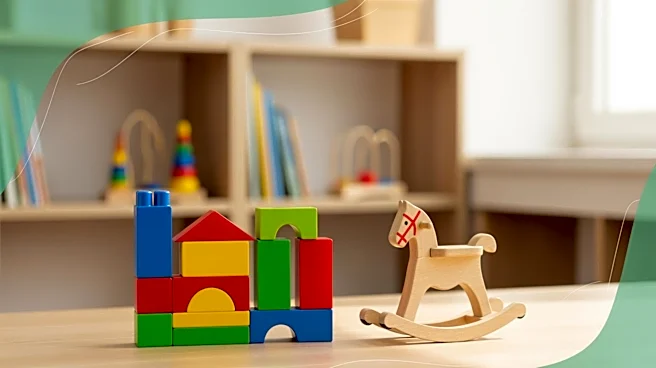
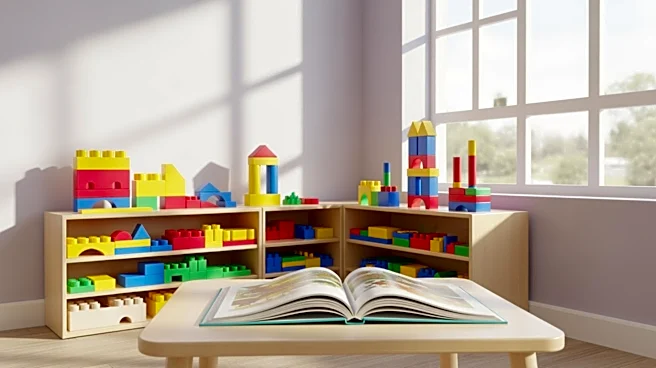
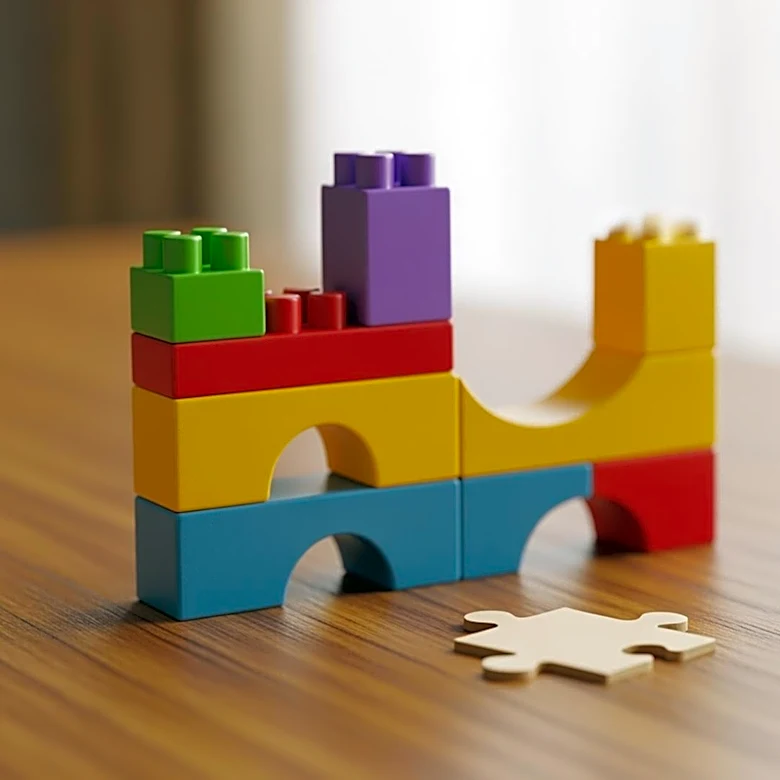
and cognitive abilities. They introduce children to new concepts and skills, encouraging them to think critically and solve problems. For example, construction toys like Lego and Tinkertoy help develop spatial awareness, fine motor skills, and creativity. These toys challenge children to build structures, fostering an understanding of engineering principles and encouraging imaginative play.
Additionally, educational toys often incorporate elements of language and mathematics, helping children develop literacy and numeracy skills. Alphabet blocks and puzzles introduce children to letters and numbers, laying the foundation for reading and math proficiency. By engaging with these toys, children learn to recognize patterns, sequences, and relationships, enhancing their cognitive abilities.
Emotional and Social Development
Beyond intellectual growth, educational toys also support emotional and social development. Pretend play toys, such as dolls and play kitchens, allow children to explore different roles and scenarios, helping them understand emotions and social interactions. Through role-playing, children learn empathy, cooperation, and communication skills, which are essential for building relationships and navigating social situations.
Educational toys also provide opportunities for children to work together, fostering teamwork and collaboration. Group activities involving educational toys encourage children to share ideas, negotiate roles, and solve problems collectively. These experiences help children develop social skills and build confidence in their ability to interact with others.
Physical Development and Motor Skills
Many educational toys are designed to promote physical development and enhance motor skills. Toys that require manipulation, such as building blocks and puzzles, help children develop hand-eye coordination and fine motor skills. These activities strengthen the muscles in children's hands and fingers, preparing them for tasks like writing and drawing.
Moreover, educational toys that encourage active play, such as balance bikes and obstacle courses, support gross motor development. These toys help children improve their balance, coordination, and overall physical fitness. By engaging in physical play, children develop a healthy relationship with exercise, which is crucial for their long-term well-being.
In conclusion, educational toys are invaluable tools in child development, offering a wide range of benefits that extend beyond mere entertainment. By supporting intellectual, emotional, and physical growth, these toys play a vital role in shaping well-rounded individuals. As children continue to learn and grow, educational toys will remain an essential part of their developmental journey.