






The Nevada Test Site, established in 1950, has been a central location for U.S. nuclear testing. Over the years, it has witnessed numerous tests, each contributing to significant environmental changes. This article delves into the history of nuclear testing at the site and explores the environmental impact of these activities, including radioactive contamination and changes to the landscape.
Establishment and Early Tests
The Nevada Test Site was authorized by President Harry S.
Truman in December 1950, designating a portion of the Nellis Air Force Gunnery and Bombing Range for nuclear testing. The first atmospheric test occurred on January 27, 1951, at Frenchman Flat. Over the years, the site hosted 928 nuclear tests, with 828 conducted underground.
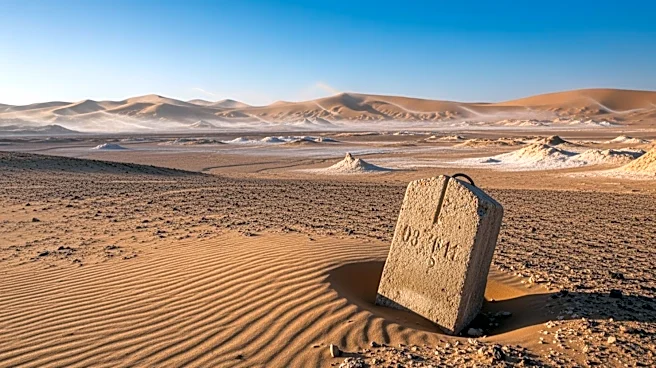
The site covers approximately 1,350 square miles of desert and mountainous terrain, featuring numerous subsidence craters from the tests. The mushroom clouds from atmospheric tests were visible from Las Vegas, becoming tourist attractions in the 1950s. The last atmospheric test was conducted in 1962, after which the U.S. honored the Comprehensive Nuclear-Test-Ban Treaty by ceasing underground testing in 1992.
Environmental Contamination
The environmental impact of nuclear testing at the Nevada Test Site is profound. Each underground explosion vaporized large chambers, leaving cavities filled with radioactive rubble. About a third of the tests were conducted directly in aquifers, contaminating groundwater with radioactivity levels reaching millions of picocuries per liter.
The Department of Energy estimated that over 300 megacuries of radioactivity remained in the environment by 1992, making the site one of the most contaminated locations in the U.S. Although radioactivity levels in water continue to decline, long-lived isotopes like plutonium pose risks for thousands of years.
Monitoring and Mitigation Efforts
The Department of Energy has established over 48 monitoring wells at the site to track contamination levels. Despite the risks, the contaminated water poses no immediate health threat, leading the department to rank the site as low priority for cleanup.
In 2009, tritium was detected in groundwater off-site near Pahute Mesa, highlighting ongoing concerns about contamination spread. The DOE issues annual environmental monitoring reports to provide data from these wells.
Efforts to study the site's botany began in 1962, with Janice C. Beatley creating 68 study sites to observe long-term ecosystem changes. Although the initial plan to study radiation effects on plants was abandoned, the sites became valuable for recording ecological changes over time.
The Nevada Test Site's history of nuclear testing has left a lasting environmental legacy, underscoring the need for continued monitoring and research to mitigate its impact. The site remains a testament to the complex relationship between technological advancement and environmental stewardship.