
Arbutin is a naturally occurring compound found in various plants, most notably the bearberry plant. It is a glycosylated derivative of hydroquinone and is utilized for its skin-lightening properties.
This article explores the natural sources of arbutin and the methods used for its synthetic preparation.
Natural Occurrence
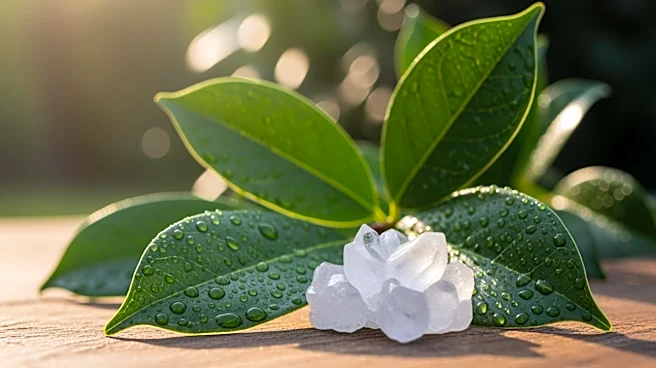
Arbutin is present in the leaves and bark of several plant species, with the bearberry plant (Arctostaphylos uva-ursi) being a primary source. It is also found in high levels in plants belonging to the Ericaceae and Saxifragaceae families. Other sources include the pear (Pyrus spp.) and certain species of wheat. Additionally, arbutin is present in small quantities in Viburnum opulus, Bergenia crassifolia, and Schisandra chinensis.
The natural occurrence of arbutin in these plants makes it a valuable compound for various applications, particularly in the cosmetic industry. Its extraction from plant sources provides a natural alternative to synthetic skin-lightening agents, appealing to consumers seeking products derived from nature.
Synthetic Preparation
While arbutin can be extracted from plants, it is also synthetically prepared to meet the demands of the cosmetic industry. The synthetic process involves the reaction of acetobromoglucose with hydroquinone in the presence of an alkali. This method allows for the production of arbutin in larger quantities, ensuring a consistent supply for commercial use.
Synthetic arbutin is used in various skin care products, including creams, serums, and lotions. Its ability to inhibit tyrosinase and reduce melanin synthesis makes it a sought-after ingredient for addressing hyperpigmentation issues. The synthetic preparation of arbutin ensures that it is available for widespread use, catering to the growing demand for effective skin-lightening solutions.
Benefits of Synthetic Arbutin
The synthetic production of arbutin offers several advantages. It allows for the creation of a stable compound that can be easily incorporated into cosmetic formulations. Synthetic arbutin is soluble in water and remains stable under standard storage conditions, making it suitable for long-term use in skin care products.
Moreover, synthetic arbutin provides a controlled concentration of the active ingredient, ensuring consistent efficacy in skin-lightening applications. This reliability is crucial for consumers seeking products that deliver predictable results in reducing hyperpigmentation and achieving a more even skin tone.
In conclusion, arbutin's natural occurrence in plants and its synthetic preparation both contribute to its popularity in the cosmetic industry. Whether derived from nature or produced synthetically, arbutin remains a key ingredient in skin-lightening products, offering effective solutions for those seeking to address hyperpigmentation.