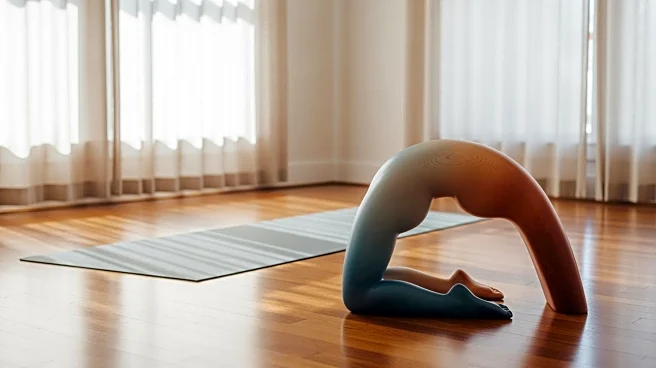

Kapotasana, commonly known as Pigeon Pose, is a kneeling back-bending asana that has gained popularity in modern yoga practice. This pose is not only a testament to flexibility and strength but also offers
numerous benefits to the body. As an advanced asana, Kapotasana challenges practitioners to push their physical limits while reaping the rewards of increased flexibility and strength.
Physical Structure and Execution
Kapotasana is a pose that requires a significant amount of flexibility and strength. The pose is achieved by going into a backbend with the knees on the ground, stretching the front body upwards while the shins and forearms remain on the ground. This position resembles Chakrasana, or Wheel Pose, but with a unique twist that involves bringing the head back until it touches the ground.
The execution of Kapotasana demands a gradual approach, especially for those new to advanced yoga poses. Practitioners often begin by lying in Supta Virasana, bending the arms and placing them beside the head. With a deep exhale, they press the hands and raise the hips and trunk, eventually placing the crown of the head on the floor. This methodical approach helps in safely achieving the full expression of the pose.
Benefits of Kapotasana
Kapotasana is renowned for its ability to open up the chest and strengthen the back and groin. The pose significantly increases the flexibility of the hips, which is crucial for many other yoga poses and daily activities. By stretching the thighs and groin, Kapotasana helps in releasing tension and improving circulation in these areas.
Moreover, the pose is beneficial for strengthening the back muscles, which can help in alleviating back pain and improving posture. The deep stretch involved in Kapotasana also aids in opening the chest, which can enhance respiratory function and promote a sense of openness and relaxation.
Challenges and Precautions
While Kapotasana offers numerous benefits, it is important to approach the pose with caution. The advanced nature of the asana means that it is not suitable for everyone, particularly those with back or neck injuries. Practitioners should ensure they are adequately warmed up and have the necessary flexibility before attempting the pose.
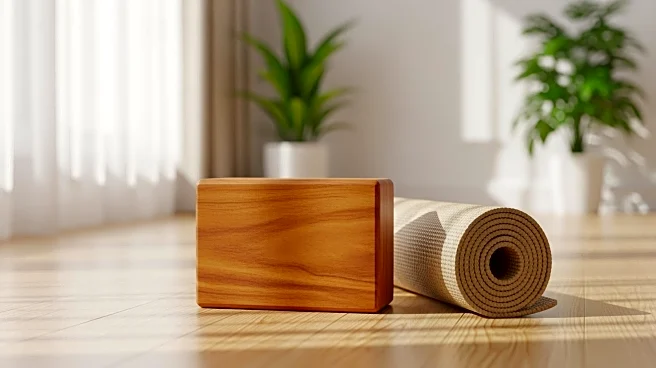
In Iyengar Yoga, props such as blankets and blocks can be used to support the body and make the pose more accessible. These aids can help in achieving the correct alignment and prevent strain or injury. As with any advanced yoga pose, listening to the body and respecting its limits is crucial for a safe and beneficial practice.