
The Scorpion pose, known as Vrischikasana, is a challenging yoga asana that combines a forearm balance with a backbend. This pose is part of the headstand cycle in some yoga traditions and is considered an advanced posture due to the strength, balance, and flexibility it requires. In this article, we will explore the Scorpion pose, its variations, and its significance in modern yoga practice.
Understanding the Scorpion Pose
The Scorpion pose is an inverted asana that involves balancing
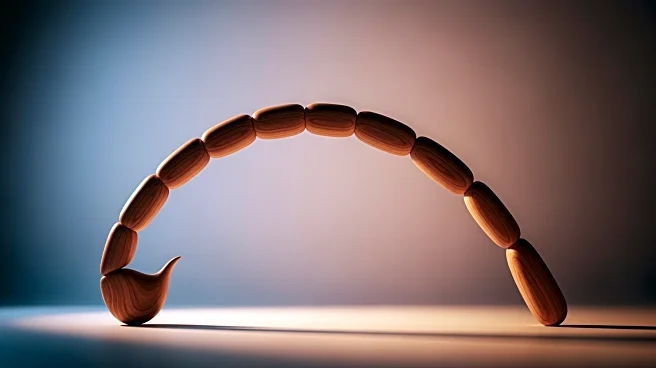
on the forearms while arching the back and bending the legs over the head. This pose is named for its resemblance to a scorpion with its tail arched over its body. The basic form of Vrischikasana involves balancing the body as in a headstand, but with the legs bent and the back lightly arched. The head is lifted, and the body is supported only by the forearms.
A more advanced variant of the Scorpion pose involves arching the back further so that the feet touch the top of the head. Another variation has the legs held straight out horizontally above the head and arms, resembling a scorpion's tail stretched in a threat posture. These variations require significant strength and flexibility, making the Scorpion pose a challenging asana for many practitioners.
Variations and Preparatory Poses
In addition to the basic Scorpion pose, there are several variations and preparatory poses that can help practitioners build the necessary strength and balance. One such preparatory pose is Ardha Pincha Mayurasana, also known as Dolphin pose. This pose involves placing the forearms on the floor while keeping the feet on the ground, similar to Downward Dog Pose. Practitioners can gradually walk their feet forward to raise the back to a higher angle, preparing for the full Scorpion pose.
Another variation is the Ganda Bherundasana, or Formidable Face pose, which involves a hand balance rather than a forearm balance. In this pose, the arms are bent, and only the hands are on the ground, with the back lightly arched and the legs pointing vertically upwards. This variation can be practiced with a block under the shoulders to assist with alignment.
The Role of Scorpion Pose in Yoga Practice
The Scorpion pose is often seen as a milestone in a yoga practitioner's journey due to its complexity and the skills it develops. It is not only a test of physical strength and flexibility but also of mental focus and balance. Practicing the Scorpion pose can help improve core strength, shoulder stability, and overall body awareness.
In modern yoga, the Scorpion pose is sometimes used as a demonstration of advanced practice, showcasing the practitioner's dedication and skill. However, it is important for practitioners to approach this pose with caution and to build up to it gradually, using props and preparatory poses as needed. The Scorpion pose, with its demanding nature, serves as a reminder of the balance between effort and ease in yoga practice.