


The 1938 FIFA World Cup was more than just a tournament; it was a pivotal moment in the history of international football. Held in France, this World Cup was the last before a 12-year hiatus due to World War II. The tournament not only showcased the talents of teams like Italy and Hungary but also left a lasting impact on the sport. This article examines the broader influence of the 1938 World Cup on international football and its enduring legacy.
A Tournament Amidst Political Tensions
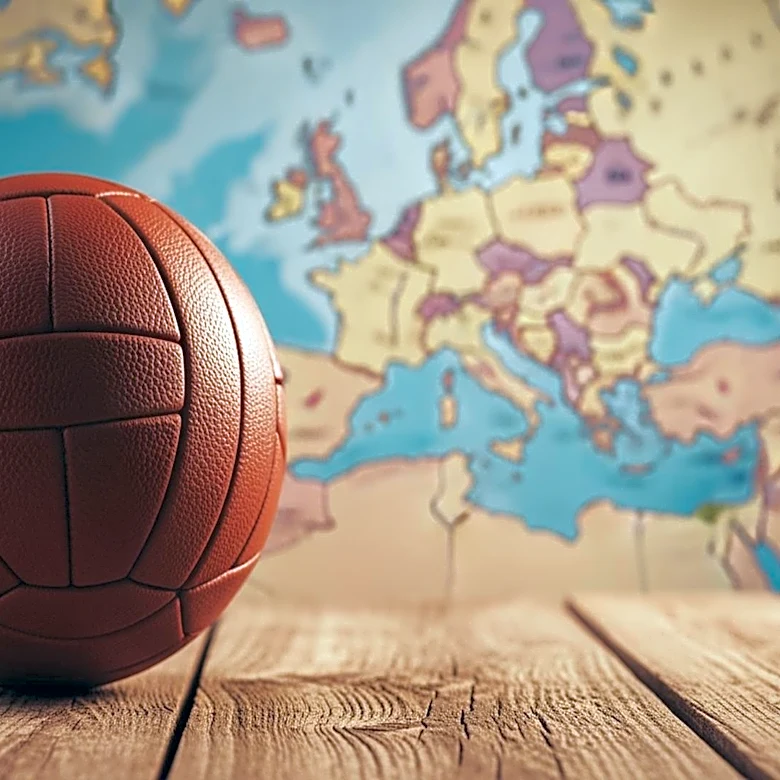
The 1938 World Cup took place during a time of significant political tension in Europe. The decision to host the tournament in France, following Italy's hosting in 1934, led to controversy, particularly in South America. Many teams from the Americas chose not to participate, highlighting the geopolitical divides of the era.
Despite these challenges, the tournament proceeded, providing a platform for nations to compete on a global stage. The World Cup served as a unifying event, bringing together teams from different continents, albeit with a predominantly European presence. This aspect of the tournament underscored the potential of football to transcend political boundaries and foster international camaraderie.
Innovations and Changes in the Game
The 1938 World Cup was notable for its format and the level of competition it presented. The knockout format, which required replays in the event of a draw, added an element of unpredictability and excitement. This format was later replaced, but it contributed to the drama and intensity of the matches.
The tournament also highlighted the importance of tactical innovation. Italy's success under coach Vittorio Pozzo demonstrated the effectiveness of strategic planning and disciplined play. This emphasis on tactics influenced future World Cups, as teams began to focus more on strategic approaches to the game.
Legacy and Long-Term Impact
The legacy of the 1938 World Cup extends beyond the matches themselves. The tournament set a precedent for future World Cups, emphasizing the importance of international competition and the global appeal of football. It also highlighted the need for a more inclusive approach, as the absence of many South American teams underscored the importance of balancing representation from different regions.
Furthermore, the 1938 World Cup remains a historical milestone, marking the end of an era before the disruptions caused by World War II. The tournament's impact on international football is evident in the way it shaped the development of the sport, influencing everything from tournament formats to tactical approaches. As such, the 1938 World Cup is remembered not only for its thrilling matches but also for its lasting contribution to the world of football.