


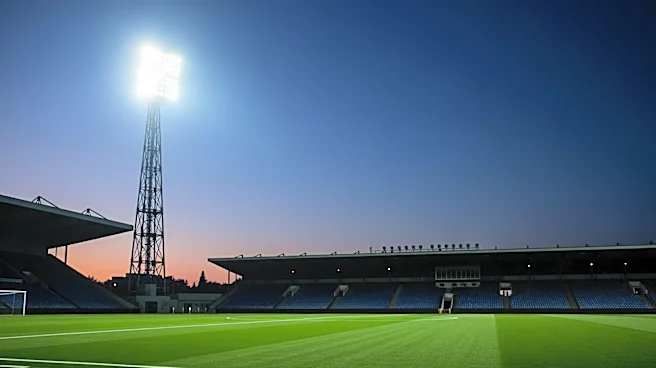


The Stadio Artemio Franchi in Florence, Italy, stands as a testament to architectural innovation and historical significance. Designed by Pier Luigi Nervi, the stadium is a prime example of 20th-century architecture, showcasing the use of reinforced concrete in its construction. This article delves into the architectural features that make the stadium a marvel, its historical context, and its impact on the city of Florence.
Design and Construction
The Stadio Artemio Franchi
was officially opened on September 13, 1931, although it was not fully completed until 1932. The architect, Pier Luigi Nervi, is renowned for his work on the Nervi Hall in the Vatican, and his design for the stadium is considered one of the most relevant examples of 20th-century architecture in Florence. The stadium is constructed entirely of reinforced concrete, a material choice that was innovative at the time and allowed for the creation of unique structural elements.
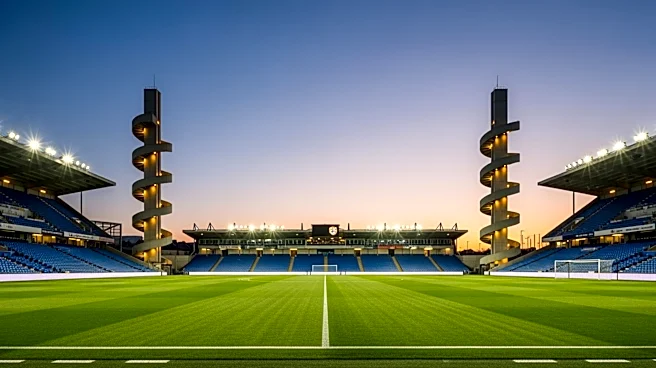
One of the most striking features of the stadium is the 70-meter tower known as the "Tower of Marathon." This tower serves as the stadium's flagstaff and is surrounded by spiral ramps that lead from the ground floor to the upper edge of the grandstand. The use of concrete in the tower's design not only provides structural integrity but also contributes to the stadium's aesthetic appeal.
Historical Context
Originally named Stadio Giovanni Berta, the stadium was named after a Florentine fascist. However, it was later renamed Stadio Comunale and eventually took on its current name in 1991, honoring Artemio Franchi, a former president of the Italian Football Federation. The stadium has played host to significant events, including matches during the 1934 FIFA World Cup and the 1960 Summer Olympics in Rome.
The stadium's design and construction reflect the architectural trends of the early 20th century, particularly the emphasis on rationalism and functionality. Nervi's use of concrete allowed for the creation of large, open spaces that could accommodate thousands of spectators, a necessity for hosting international sporting events.
Impact on Florence
The Stadio Artemio Franchi is more than just a sports venue; it is a cultural landmark in Florence. Its architectural significance has made it a point of interest for both locals and tourists. The stadium's presence in the city has contributed to Florence's reputation as a center for architectural innovation and design.
Moreover, the stadium has been a venue for various events beyond football, including concerts by international artists such as David Bowie and Madonna. These events have brought global attention to Florence, further cementing the stadium's role as a cultural hub.
In conclusion, the Stadio Artemio Franchi is a remarkable example of architectural ingenuity and historical significance. Its design by Pier Luigi Nervi has left a lasting impact on the city of Florence, making it a must-see for anyone interested in architecture and history.