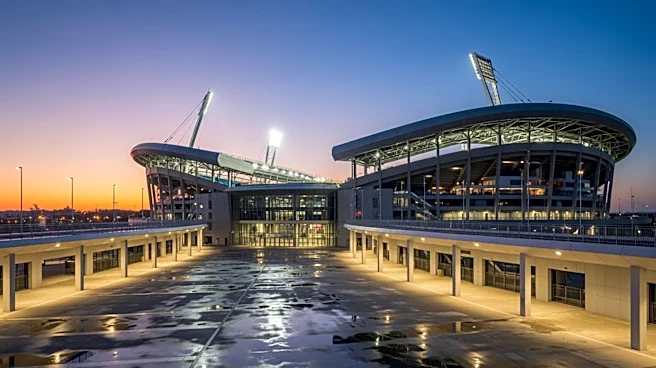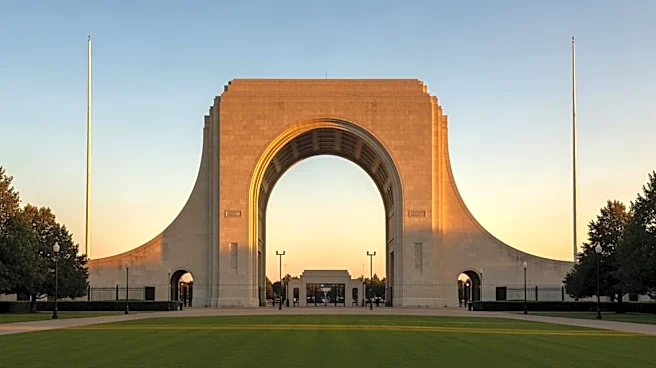







Berlin's Olympiastadion is a venue steeped in history, having witnessed numerous significant events since its construction in the 1930s. Originally built for the 1936 Summer Olympics, the stadium has evolved over the decades, adapting to the changing needs of sports and entertainment while preserving its historical essence.
Origins and Olympic Beginnings
The Olympiastadion was constructed between 1934 and 1936 as part of the larger Reichssportfeld complex, designed to host the 1936 Summer
Olympics. The stadium was built on the site of the former Deutsches Stadion, which was demolished to make way for this new, grander venue. The architect, Werner March, designed the stadium to accommodate 100,000 spectators, making it one of the largest stadiums of its time.
The 1936 Olympics, held under the Nazi regime, were used as a propaganda tool to showcase Germany's strength and organization. The Olympiastadion played a central role in these games, hosting the opening and closing ceremonies, as well as numerous athletic events. The games are perhaps best remembered for the achievements of African-American athlete Jesse Owens, who won four gold medals, challenging the Nazi ideology of racial superiority.
Post-War Era and Renovations
After World War II, the Olympiastadion was used by the British military and later returned to German control. In the post-war years, the stadium hosted various sporting events, including the finals of the German football championship. The stadium underwent its first major renovation in preparation for the 1974 FIFA World Cup, which included the addition of a partial roof over the main stands.
The most significant renovation occurred between 2000 and 2004, in preparation for the 2006 FIFA World Cup. This renovation modernized the stadium with a new roof, improved seating, and updated facilities, while carefully preserving its historical elements. The renovation ensured that the Olympiastadion could continue to host major international events while maintaining its historical significance.
A Venue of Historical and Cultural Importance
Today, the Olympiastadion is not only a premier sports venue but also a symbol of Berlin's complex history. It hosts a variety of events, from football matches to concerts, attracting visitors from around the world. The stadium's historical significance and architectural beauty make it a key landmark in Berlin.
The Olympiastadion's journey from its origins in the 1930s to its current status as a modern sports venue reflects the broader historical changes in Germany. It stands as a testament to the resilience and adaptability of Berlin, a city that has continually reinvented itself while honoring its past.