
The National Park of American Samoa is a treasure trove of biodiversity, offering a unique glimpse into the rich natural heritage of the South Pacific. Located across three islands—Tutuila, Ofu, and Taʻū—the
park is home to a variety of ecosystems, including coral reefs, tropical rainforests, and coastal areas. This article delves into the park's diverse flora and fauna, highlighting its significance as a protected area.
Flora of the National Park
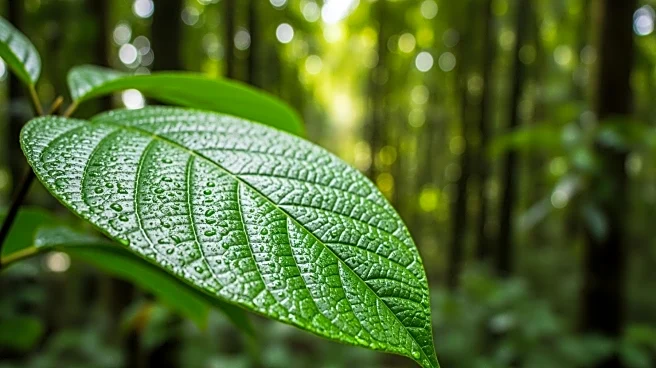
The National Park of American Samoa is predominantly covered by tropical rainforest, which includes cloud forests on Taʻū and lowland ridge forests on Tutuila. The islands boast approximately 343 flowering plants and 135 ferns, with about 30% of these species being endemic to the region. The lush vegetation is a result of the park's tropical climate, which supports a wide range of plant life.
Most of the plants in the park arrived by chance from Southeast Asia, contributing to the unique composition of the flora. The park's forests are vital for maintaining the ecological balance, providing habitat and food for various animal species. The diversity of plant life also plays a crucial role in the cultural practices of the Samoan people, who have traditionally relied on these resources for sustenance and medicine.
Fauna of the National Park
The park is home to a variety of animal species, including three native bat species: the Samoa flying fox, the white-naped flying fox, and the Pacific sheath-tailed bat. These bats are essential for pollinating the island's plants, ensuring the continuation of the park's rich biodiversity. The park also hosts several reptile species, such as the Oceania gecko and various skinks.
Birdlife in the park is equally diverse, with species like the wattled honeyeater, Samoan starling, and Pacific pigeon being predominant. The many-colored fruit dove, a rare bird in the locality, has also been spotted within the park. The park's marine areas are teeming with life, including sea turtles, humpback whales, and over 950 species of fish.
Conservation Efforts
The National Park of American Samoa plays a crucial role in conservation efforts, particularly in controlling and eradicating invasive species that threaten the park's ecosystem. Feral pigs, for example, pose a significant threat to the park's native flora and fauna. The park's management is actively involved in preserving the natural habitats and ensuring the survival of endangered species.
The park's coral reefs are under threat from rising ocean temperatures and carbon dioxide concentrations, which could lead to their loss by mid-century. Conservation initiatives are focused on mitigating these impacts and preserving the park's marine biodiversity. The park's unique ecosystems are not only vital for the environment but also hold cultural significance for the Samoan people, making their preservation a priority.