









The New York City Transit Authority (NYCTA) has been a vital part of the city's transportation infrastructure since its establishment in 1953. As the operator of the largest transit system in North America, the NYCTA has faced numerous challenges over the years, from financial constraints to aging infrastructure. However, the agency has also been at the forefront of innovation, implementing new technologies and strategies to improve service delivery
and meet the needs of a growing population. This article explores the challenges faced by the NYCTA and the innovative solutions it has employed to address them.
Financial Constraints and Operational Challenges
One of the most significant challenges faced by the NYCTA has been financial constraints. The agency has struggled with operating deficits and rising costs, necessitating fare increases and budget adjustments. In its early years, the NYCTA raised fares to generate necessary revenue, introducing a token system for subway and elevated fares. Despite these efforts, financial difficulties persisted, prompting the agency to explore alternative funding sources and cost-saving measures.
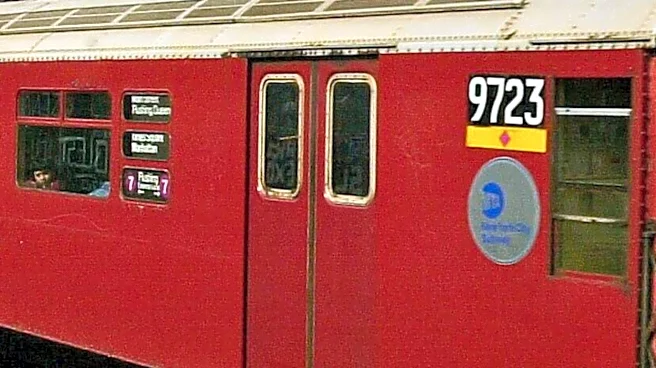
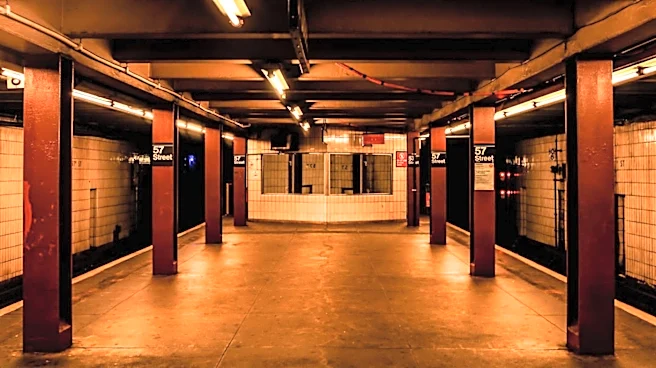
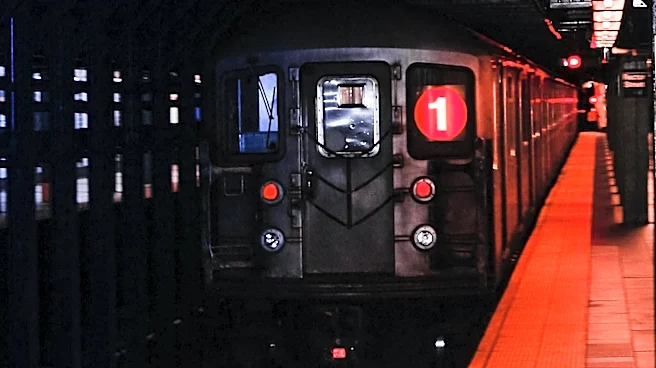
Operational challenges have also been a constant concern for the NYCTA. The agency inherited an aging fleet of subway cars and infrastructure from its predecessor, the New York City Board of Transportation. The need for maintenance and upgrades has been a continuous burden, requiring significant investments in new equipment and technology. The introduction of new subway cars in the 1950s and 1960s marked the beginning of a series of upgrades aimed at improving service reliability and passenger comfort.
Embracing Technological Innovations
In response to these challenges, the NYCTA has embraced technological innovations to enhance service delivery and efficiency. One of the most notable advancements has been the implementation of communication-based train control (CBTC) systems. CBTC allows for more precise train movements and increased capacity, reducing delays and improving overall service reliability. The successful implementation of CBTC on the BMT Canarsie Line has paved the way for its expansion to other lines, demonstrating the potential of technology to transform urban transportation.
The NYCTA has also invested in modernizing its fare collection systems. The transition from tokens to the MetroCard in the 1990s marked a significant shift in how passengers pay for transit services. More recently, the introduction of the OMNY contactless payment system has further streamlined fare collection, offering passengers a more convenient and efficient way to access the transit system.
Addressing Infrastructure and Accessibility
Infrastructure and accessibility have been ongoing challenges for the NYCTA. The agency has made significant efforts to address these issues through targeted investments and strategic planning. The Enhanced Station Initiative, part of the MTA's 2015-2019 Capital Program, aimed to modernize and upgrade 30 subway stations, improving accessibility and passenger amenities.
The NYCTA has also prioritized making the transit system more accessible to all passengers, including those with disabilities. The installation of elevators and other accessibility features in key stations has been a critical component of this effort. By enhancing accessibility, the NYCTA is working to ensure that all New Yorkers can benefit from the city's public transportation network.
The Path Forward: Innovation and Adaptation
Looking ahead, the NYCTA will continue to face challenges as it strives to meet the needs of a growing and diverse population. However, the agency's commitment to innovation and adaptation positions it well to address these challenges and capitalize on new opportunities. By investing in technology, infrastructure, and accessibility, the NYCTA can enhance the quality of service and support the continued growth and development of New York City.
The NYCTA's journey is a testament to the power of innovation in overcoming challenges and driving progress. As the agency continues to evolve, its efforts to embrace new technologies and strategies will be crucial in ensuring the sustainability and success of New York City's transit system.