






Terrariums are not just decorative items; they are fascinating miniature ecosystems that operate on scientific principles. These glass containers create a controlled environment that supports plant growth by mimicking natural processes. This article delves into the science behind terrariums, explaining how they function and why they are effective for certain types of plants.
The Water Cycle in Enclosed Terrariums
One of the key scientific principles at work in a terrarium is the water cycle.
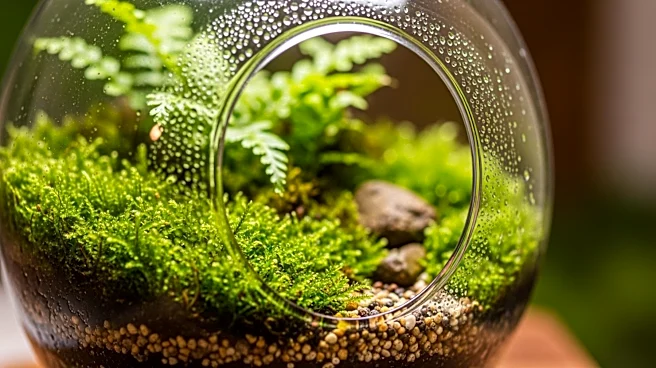
In an enclosed terrarium, the transparent walls allow heat and light to enter, creating a favorable environment for plant growth. As the heat warms the soil and plants, moisture evaporates and rises within the container. This water vapor then condenses on the cooler surfaces of the glass walls, eventually dripping back down to the soil and plants below.
This continuous cycle of evaporation and condensation effectively recycles moisture within the terrarium, maintaining a high level of humidity. This makes enclosed terrariums particularly suitable for tropical or moisture-loving plants, as they thrive in humid conditions. The self-sustaining nature of this water cycle reduces the need for frequent watering, making terrariums a low-maintenance option for plant enthusiasts.
Photosynthesis and Light
Light is another crucial factor in the functioning of a terrarium. The transparent walls of a terrarium allow sunlight to penetrate, providing the energy needed for photosynthesis. During photosynthesis, plants convert light energy into chemical energy, producing oxygen and glucose, which are essential for their growth and survival.
In a terrarium, the amount and quality of light can significantly impact plant health. While enclosed terrariums benefit from the magnification of sunlight, care must be taken to avoid direct exposure, which can cause overheating and damage to the plants. Open terrariums, on the other hand, are better suited for plants that require more sunlight and less humidity, such as succulents and cacti.
The Role of Soil and Microorganisms
The soil in a terrarium plays a vital role in supporting plant life. It provides essential nutrients and a medium for root growth. In closed terrariums, a specific soil mix is often used to ensure ideal growing conditions and minimize the risk of microbial damage. A common medium is peat-lite, a mixture of peat moss, vermiculite, and perlite, which is sterile and reduces the introduction of harmful microbes.
Microorganisms within the soil also contribute to the terrarium's ecosystem by breaking down organic matter and recycling nutrients. This process supports plant health and helps maintain a balanced environment within the terrarium. Understanding these scientific principles allows terrarium enthusiasts to create thriving miniature ecosystems that are both beautiful and functional.