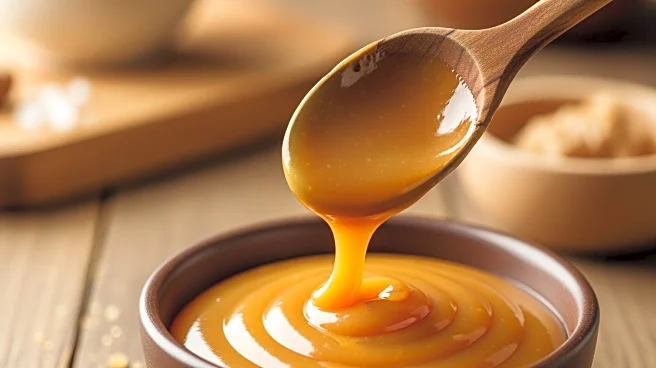


Dulce de leche, a beloved caramelized milk confection, has a rich history and cultural significance in Latin America. Known by various names such as manjar, arequipe, and cajeta, this sweet treat is a staple in many Latin American countries. Its journey from a simple milk and sugar mixture to a cherished dessert ingredient is a testament to its enduring appeal.
Historical Roots
The origins of dulce de leche are steeped in history and folklore. According to the text,
it has been produced since the 18th century in Chile under the name manjar. This early version was made with cow's milk, sugar, vanilla, and cinnamon. The confection quickly spread to neighboring countries, becoming a regional favorite. An interesting anecdote from Argentina suggests that dulce de leche was discovered by accident when a pot of milk and sugar was left on a fire, resulting in the creation of the sweet, brown cream.
The popularity of dulce de leche continued to grow, with notable figures such as the Argentine freedom fighter San Martín reportedly enjoying the treat. Its widespread appeal led to attempts by Argentina to have dulce de leche recognized as a UNESCO World Heritage item, although this was met with opposition from Uruguay.
Cultural Significance
Dulce de leche is more than just a sweet treat; it holds cultural significance across Latin America. It is commonly used as a spread on bread and as a key ingredient in various desserts. In Argentina, it is a popular filling for alfajores, a type of cookie sandwich. The confection is also used in the preparation of torta de mil hojas, a layered pastry cake.
In Mexico, dulce de leche is made using a combination of cow's milk and goat's milk, showcasing regional variations in its preparation. This adaptability and integration into local cuisines highlight its importance in Latin American culinary traditions.
Modern-Day Uses
Today, dulce de leche continues to be a versatile ingredient in both traditional and modern recipes. It is used in the making of ice cream, flan, and pudding, adding a rich, caramel flavor to these desserts. The confection is available in different consistencies, from a soft, spreadable form to a firmer version used in baking.
The enduring popularity of dulce de leche is a testament to its versatility and cultural significance. Whether enjoyed as a simple spread or as a key ingredient in elaborate desserts, dulce de leche remains a beloved part of Latin American cuisine, cherished by generations for its sweet, comforting taste.