





Caramelization is more than just a chemical process; it is an essential technique in the culinary arts that transforms simple sugars into complex flavors and appealing colors. This process is widely used in both sweet and savory dishes, adding depth and richness to a variety of foods. In this article, we explore the role of caramelization in cooking and how it enhances the flavor and appearance of culinary creations.
The Flavorful Transformation
Caramelization is a process that
occurs when sugar is heated, leading to the breakdown of sugar molecules and the formation of new compounds. This transformation results in the development of a rich, nutty flavor and a distinctive brown color. The process is responsible for the characteristic taste of caramel, which is used to enhance the flavor of many dishes.
During caramelization, volatile chemicals such as diacetyl are released, contributing to the intense butter-like taste that is often associated with caramel. The process also produces three groups of polymers: caramelans, caramelens, and caramelins, which give caramel its unique color and texture. These compounds are essential in creating the complex flavor profile that makes caramelized foods so appealing.
Caramelization in Sweet and Savory Dishes
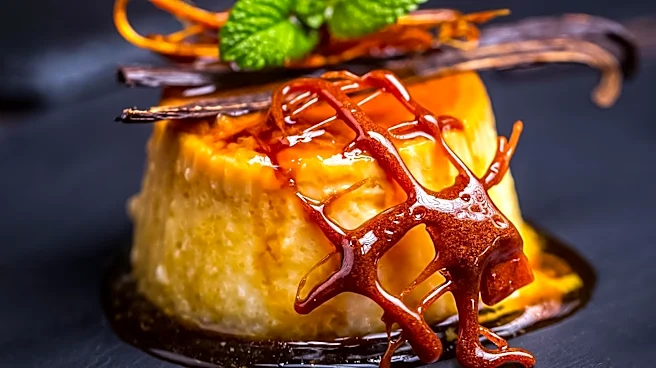
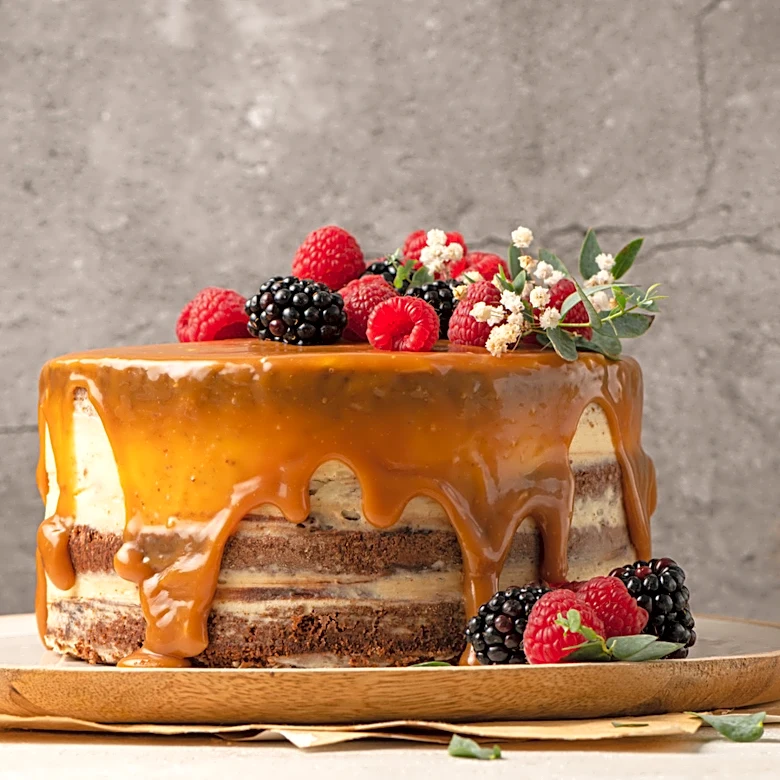
Caramelization is a versatile technique used in a wide range of culinary applications. In sweet dishes, it is used to create caramel sauces, candies, and desserts like crème brûlée and flan. The process adds a rich, sweet flavor and a beautiful golden-brown color that enhances the visual appeal of these treats.
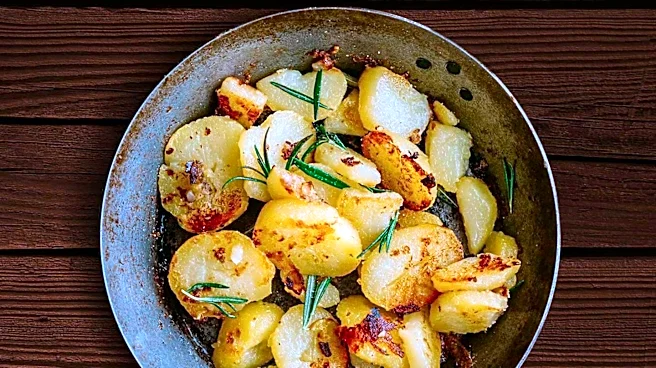
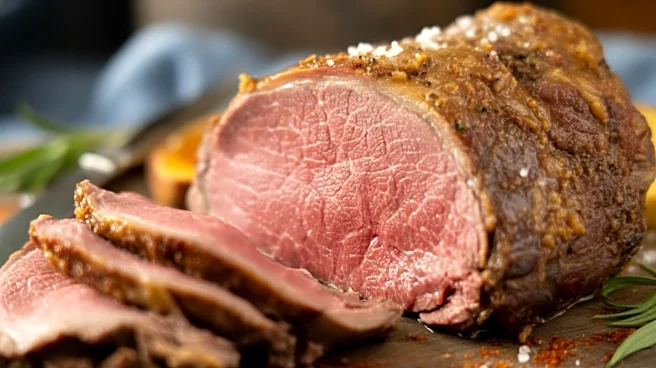
In savory cooking, caramelization is used to add depth and complexity to dishes. It is often employed in the preparation of roasted vegetables, meats, and sauces, where the process enhances the natural flavors of the ingredients. The browning of onions, for example, is a classic technique that relies on caramelization to develop a sweet, savory flavor that forms the base of many dishes.
The Art of Caramelization
Mastering the art of caramelization requires an understanding of the factors that influence the process, such as temperature and pH. Each type of sugar has a specific temperature at which caramelization begins, and impurities in the sugar can affect the reaction rate. Additionally, the acidity or pH level of the environment can impact the process, with caramelization occurring most slowly at a near-neutral pH.
Chefs and home cooks alike can use this knowledge to control the caramelization process and achieve the desired flavor and color in their dishes. By experimenting with different sugars, temperatures, and pH levels, they can create a wide range of flavors and textures that elevate their culinary creations.
In conclusion, caramelization is a fundamental technique in the culinary arts that enhances the flavor and appearance of food. Whether used in sweet or savory dishes, it adds a unique depth and richness that delights the senses and elevates the dining experience.