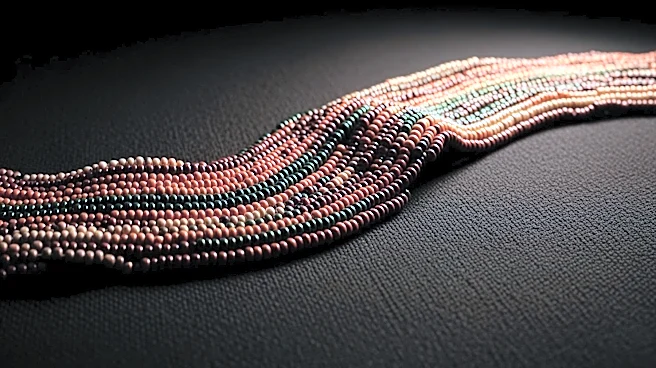






Beadwork is not just an art form; it is a cultural tapestry woven with symbolism and tradition. Across the globe, beads have been used to communicate identity, social status, and spiritual beliefs. From African tribes to Native American communities, beadwork serves as a powerful medium for cultural expression, preserving heritage and conveying messages through intricate designs and patterns.
African Beadwork: A Symbolic Language
In many African cultures, beadwork is a symbolic language
that communicates various aspects of life. The Ndebele people of South Africa, for example, use beadwork to signify a woman's life stage. Articles of clothing like the Isiphephetu, an apron made by a mother or grandmother, symbolize a girl's journey into adulthood. Specific colors and patterns convey information about age, marital status, and identity.
Beadwork also holds spiritual significance, with beads used as charms and ceremonial items. The Ndebele bride traditionally wears a five-flap apron, known as an Itjorholo, given by the groom's family to represent marital status and fertility. This apron is decorated with tiny white beads and bold abstract designs, reflecting the paintings found on the walls of their home.
Native American Beadwork: Preserving Cultural Identity
Native American beadwork has a rich history, serving as a means to preserve cultural identity and traditions. With the arrival of Europeans, seed beads became a popular material, integrated into traditional designs. Beadwork became a way for Native Americans to hold onto their cultural identities amidst colonization and change.
Different tribes have unique beadwork styles, such as the Great Lakes tribes' applique beadwork and the Eastern Woodlands tribes' symmetrical scroll motifs. These designs often carry cultural stories and teachings, embodying values like wisdom, love, respect, and truth. Beadwork is not just decorative; it is a narrative that connects generations and preserves cultural heritage.
Beadwork as a Global Art Form
Beadwork is practiced worldwide, with each culture adding its unique touch to the craft. In Europe, beadwork evolved with the introduction of glass beads, leading to intricate bead embroidery and beaded jewelry. The art of creating beaded flowers, known as immortelles, became popular in the 19th century, symbolizing eternal life.
In Asia, bead curtains have been used for centuries, offering decorative qualities and positive energy. These curtains often feature auspicious symbols like cranes and suns, conveying messages of happiness and peace. Beadwork in Asia reflects a blend of artistic expression and cultural symbolism, making it a cherished tradition.
Beadwork is more than an art form; it is a cultural tapestry that weaves together history, identity, and tradition. Across different societies, beads serve as a medium for communication, expression, and preservation, highlighting the universal significance of this craft.