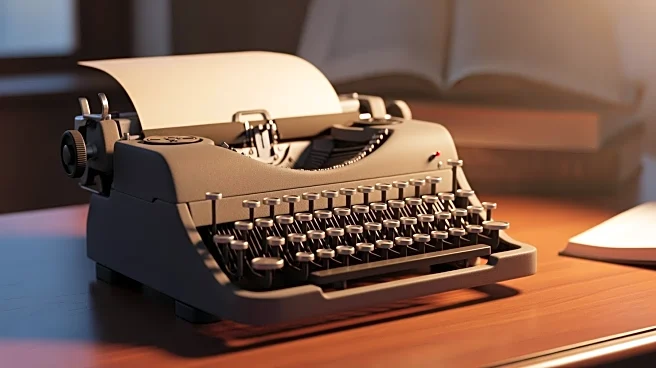




Copy editing has a rich history that dates back to the early days of publishing. Over the years, the role of copy editors has evolved significantly, adapting to changes in technology and the publishing industry. From manual corrections to digital editing, copy editing has transformed to meet the demands of modern publishing.
Early Beginnings
In the past, copy editing was a manual process, with editors marking up printed manuscripts using a standardized set of symbols.
These symbols, which originated with proofreaders, were used to indicate corrections and changes needed in the text. Copy editors worked closely with authors, typesetters, and proofreaders to ensure that the final product was error-free and met the standards of the time.
During the late 19th century, the role of editors began to shift. Editors were responsible for deciding whether a manuscript was suitable for publication, and they often worked closely with authors to refine their work. This period saw the rise of influential editors like Maxwell Perkins, who was known for his ability to improve the work of prominent authors through thoughtful editing.
The Impact of Technology
The desktop publishing revolution of the 1980s marked a significant turning point in the field of copy editing. With the introduction of computers and digital editing software, copy editors were able to perform their tasks more efficiently. The development of programs like PageMaker and the Xerox Star computer allowed editors to edit compositions entirely on-screen, reducing the need for manual corrections.
This technological shift also required copy editors to acquire new skills, such as pagination and the use of software like Adobe InDesign and QuarkXPress. As digital publishing became more prevalent, copy editors had to adapt to new formats and platforms, ensuring that both print and digital versions of texts were edited to the same high standard.
Modern Copy Editing Practices
Today, copy editing is a dynamic field that encompasses both traditional and digital methods. Copy editors are expected to be proficient in various software programs and to understand the nuances of digital publishing. They must be able to edit for both print and online formats, taking into account multimedia elements and search engine optimization.
Despite these changes, the core principles of copy editing remain unchanged. Copy editors continue to focus on improving clarity, coherence, and consistency, ensuring that the final product is polished and professional. As the publishing industry continues to evolve, copy editors will play a vital role in maintaining the quality and integrity of written content.