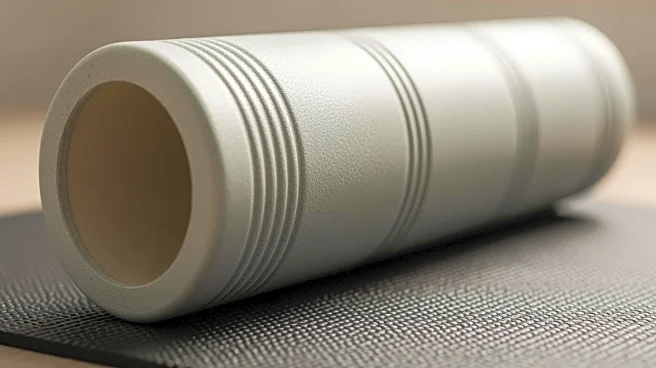

Foam rolling has gained popularity as a tool for self-myofascial release, but what does science say about its effectiveness? This article delves into the scientific studies and findings related to foam
rolling, exploring its impact on muscle soreness, flexibility, and exercise performance. While foam rolling is widely used, the scientific community continues to investigate its long-term benefits and optimal usage.
Short-Term Benefits of Foam Rolling
Scientific studies have shown that foam rolling can have short-term benefits, particularly in increasing the range of motion of joints. This is achieved by applying pressure to the muscles, which helps in releasing tension and improving flexibility. A 2019 review concluded that 90 seconds of foam rolling per muscle group might be the minimum needed to achieve a reduction in muscle pain or soreness in the short term.
However, the long-term performance or range of motion benefits of foam rolling are still unknown. While users often report immediate relief from muscle tightness, more research is needed to determine the sustained effects of regular foam rolling over time. Despite this, the short-term benefits make foam rolling a popular choice for athletes and fitness enthusiasts looking to enhance their performance.
Foam Rolling as a Warm-Up Activity
A 2021 analysis of studies concluded that foam rolling is more justified as a warm-up activity rather than a recovery tool. This is because it helps in reducing muscle pain perception and prepares the body for exercise. The analysis suggested that foam rolling before exercise can enhance performance by increasing blood flow and reducing muscle stiffness.
Combining foam rolling with stretching exercises has been found to have a slightly better effect than stretching alone if done after foam rolling. This sequence can help in further loosening the muscles and enhancing flexibility. However, the impact of foam rolling on exercise performance varies among individuals, and more research is needed to establish definitive guidelines.
The Need for Further Research
While foam rolling is widely used, the scientific community continues to explore its long-term benefits and optimal usage. The current evidence supports its use as a warm-up activity, but the optimal amount and duration of foam rolling needed to achieve these benefits remain unclear. Further research is needed to determine the most effective ways to incorporate foam rolling into exercise routines.
In conclusion, foam rolling offers short-term benefits in terms of flexibility and muscle soreness reduction. However, its long-term effects and optimal usage are still under investigation. As more studies are conducted, the scientific community hopes to provide clearer guidelines on how to maximize the benefits of foam rolling.