
Pan frying is a popular cooking method that involves using minimal oil to cook food in a shallow pan. This technique is favored for its ability to retain moisture in foods like meat and seafood while ensuring
a crispy exterior. Understanding the nuances of pan frying, including the equipment used, can elevate your cooking skills and enhance the flavors of your dishes.
Techniques of Pan Frying
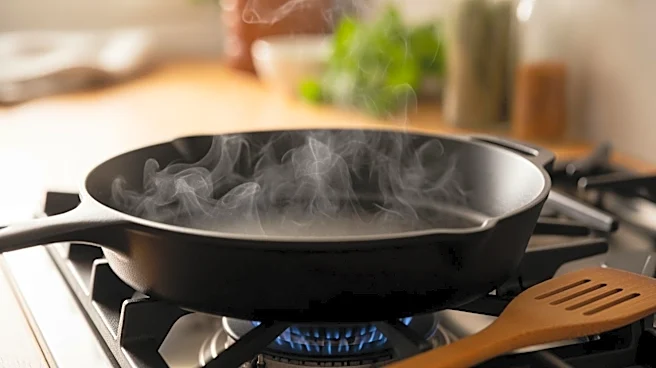
Pan frying is distinct from other frying methods due to its use of minimal oil. Unlike deep frying, which submerges food in oil, pan frying uses just enough oil to lubricate the pan. This method is ideal for cooking foods that are not cut into small pieces, such as chicken breasts, steak, pork chops, or fish fillets. The lower heat required for pan frying ensures that the exterior of the food does not overcook before the interior reaches the proper temperature.
The key to successful pan frying is maintaining the correct temperature. The oil should be hot enough to allow moisture to escape from the food in the form of steam, preventing the oil from soaking into the food. This technique helps retain the food's natural juices, resulting in a moist and flavorful dish. Flipping the food at least once during cooking ensures that both sides are evenly cooked.
Essential Equipment for Pan Frying
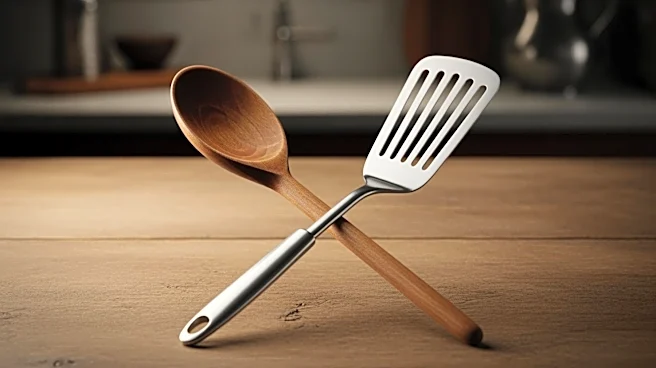
Choosing the right equipment is crucial for effective pan frying. A shallower cooking vessel is typically used compared to deep frying, but using a deep pan with a small amount of oil can help reduce spatter. A dense cooking vessel is preferred as it improves temperature regulation, ensuring even cooking.
Electric skillets can be used similarly to electric deep fryers, with many models featuring a thermostat to maintain the desired oil temperature. This feature is particularly useful for achieving consistent results, as it prevents the oil from overheating and burning the food.
The Role of Breading in Pan Frying
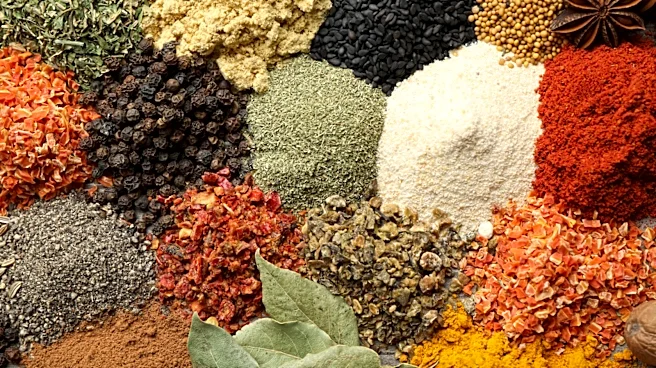
Breading is often used in pan frying to add texture and flavor to the food. Foods can be coated with a simple dusting of flour or a more elaborate breading procedure involving flour, beaten eggs, and bread crumbs. Seasoning the food with salt and pepper before applying the breading enhances the flavor.
Allowing the breaded food to rest for 15 to 30 minutes before frying helps the coating adhere better, resulting in a crispier finish. This step is essential for achieving the desired texture and ensuring the breading does not fall off during cooking.
Pan frying is a versatile cooking method that can be mastered with the right techniques and equipment. By understanding the principles of pan frying, you can create delicious, restaurant-quality dishes in the comfort of your own kitchen.