






The spatula, a tool with a broad, flat, and flexible blade, has a rich history that dates back centuries. Its journey from a simple flat piece of wood to a versatile tool used in various fields is fascinating. The term 'spatula' itself has an intriguing origin, rooted in the Latin language. This article explores the historical development of the spatula, its linguistic roots, and its evolution over time.
Linguistic Origins of the Spatula
The word 'spatula' derives from the Latin word for
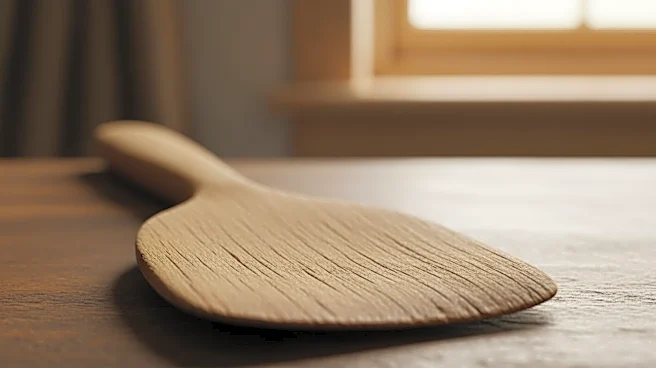
a flat piece of wood or splint. It is a diminutive form of the Latin 'spatha,' which means 'broadsword.' This etymology highlights the tool's broad and flat design, which is a defining characteristic of spatulas. The linguistic roots of the word are shared with other terms like 'spade' and 'spathe,' which also describe flat, broad tools.
The term 'spatula' has been part of the English language since 1525, indicating its long-standing presence in various cultures. Over the centuries, the word has come to encompass a wide range of tools used for mixing, spreading, and lifting materials, from culinary applications to medical and laboratory settings.
Evolution of the Spatula's Design and Use
Initially, spatulas were simple tools made from flat pieces of wood. As time progressed, the design and materials of spatulas evolved to meet the needs of different industries. In the kitchen, spatulas are now commonly made of metal or plastic, with handles designed to insulate from heat. These modern spatulas are used for flipping and lifting food items, such as pancakes and fillets, during cooking.
In medical and laboratory settings, spatulas have also undergone significant changes. Stainless steel spatulas are widely used in laboratories for handling chemicals, thanks to their resistance to acids, bases, heat, and solvents. In medical applications, spatulas are often synonymous with tongue depressors, highlighting their versatility and adaptability.
The Spatula's Enduring Legacy
The spatula's journey from a simple wooden tool to a versatile instrument used in various fields is a testament to its enduring legacy. Its ability to adapt to different needs and environments has ensured its continued relevance throughout history. Today, spatulas remain essential tools in kitchens, laboratories, and medical settings, reflecting their historical significance and ongoing evolution.
As we trace the historical journey of the spatula, we gain a deeper appreciation for this seemingly simple tool and its impact on various aspects of our lives.