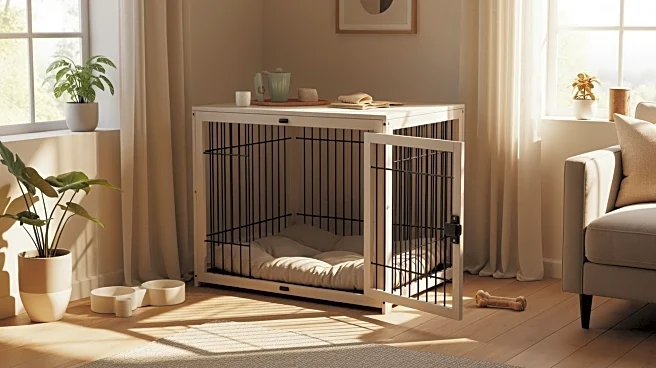







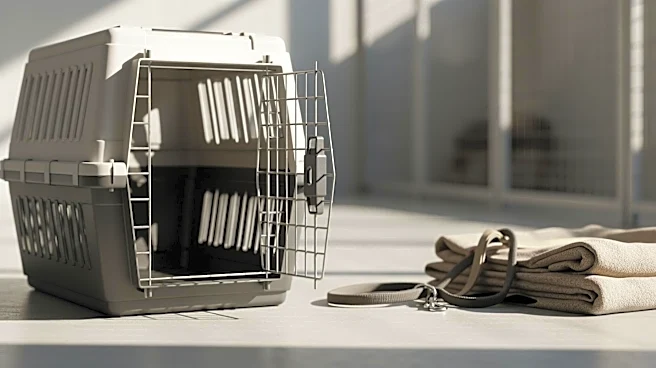
Crate training is not just about providing a safe space for dogs; it is also a powerful tool for managing and modifying dog behavior. By understanding the principles behind crate training, pet owners can use this method to address various behavioral issues and create a harmonious living environment for both the dog and the family.
Crate Training as a Behavioral Management Tool
Crate training can be an effective way to manage a dog's behavior by providing structure and boundaries. When a dog is
properly crate trained, the crate becomes a place of comfort and security, which can help reduce anxiety and stress. This is particularly useful for dogs that experience separation anxiety or have difficulty adjusting to new environments.
By using the crate as a management tool, owners can prevent unwanted behaviors such as destructive chewing or excessive barking. When a dog is confined to a crate, it is less likely to engage in these behaviors, as its movement is restricted. This can be especially helpful during times when the owner is unable to supervise the dog closely, such as when guests are visiting or during household chores.
The Importance of Proper Crate Training
For crate training to be effective in managing behavior, it must be introduced and implemented correctly. The process should be gradual, allowing the dog to become accustomed to the crate at its own pace. Owners can make the crate inviting by placing familiar toys or bedding inside and rewarding the dog for entering and staying in the crate.
It is important to avoid using the crate as a form of punishment, as this can create negative associations and increase the dog's anxiety. Instead, the crate should be associated with positive experiences, such as feeding times or play sessions. By maintaining a calm and relaxed demeanor around the crate, owners can help their dogs feel more comfortable and secure.
Balancing Crate Time with Socialization
While crate training is a valuable tool for managing behavior, it is essential to balance crate time with socialization and exercise. Dogs are social animals and require interaction with their owners and other dogs to thrive. Excessive confinement can lead to behavioral issues, such as increased reactivity or aggression, as well as emotional distress.
Owners should ensure that their dogs have ample opportunities for exercise and socialization outside of the crate. This can include regular walks, playtime, and training sessions. By providing a well-rounded routine, owners can help their dogs develop into well-adjusted and well-behaved companions.
In summary, crate training is a versatile tool for managing dog behavior when used appropriately. It offers a structured environment that can help reduce anxiety and prevent unwanted behaviors, but it must be balanced with socialization and exercise to ensure a happy and healthy dog.