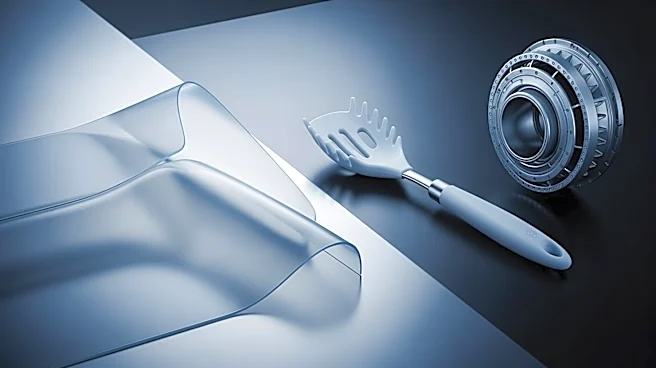







Silicone, a polymer composed of siloxane, is a material that has found its way into a multitude of industries due to its unique properties. From the kitchen to the aerospace sector, silicone's stability, non-reactivity, and resistance to extreme temperatures make it an invaluable resource. This article delves into the various applications of silicone, highlighting its versatility and importance in modern technology and everyday life.
Silicone in the Kitchen
In the culinary
world, silicone has become a staple material for a variety of kitchen tools and gadgets. Its non-toxic nature and ability to withstand high temperatures make it ideal for cooking utensils, bakeware, and even food storage solutions. Silicone's flexibility allows for easy removal of baked goods from molds, while its non-stick properties reduce the need for additional greasing. This makes silicone an attractive option for both amateur cooks and professional chefs alike.
Beyond bakeware, silicone is also used in kitchen accessories such as spatulas, brushes, and oven mitts. These items benefit from silicone's heat resistance, which can withstand temperatures up to 260 °C (500 °F). This ensures that silicone kitchen tools remain safe and effective even when exposed to high heat, making them a reliable choice for various cooking tasks.
Silicone in Medicine and Personal Care
Silicone's biocompatibility and hypoallergenic properties have made it a popular choice in the medical field. It is used in a range of medical devices, including implants, prosthetics, and tubing. Silicone's inert nature means it does not react with bodily fluids or tissues, reducing the risk of adverse reactions. This makes it an ideal material for long-term medical applications.
In personal care, silicone is a common ingredient in skincare and haircare products. Its ability to form a protective barrier on the skin helps to lock in moisture, while its smooth texture enhances the feel of lotions and creams. In haircare, silicones like amodimethicones and phenyl dimethicones are used to condition hair, reduce frizz, and add shine. These properties make silicone a valuable component in many beauty and personal care formulations.
Silicone in Aerospace and Electronics
The aerospace industry relies on silicone for its exceptional sealing properties and stability across extreme temperature ranges. Silicone is used in gaskets, seals, and insulation materials, ensuring the safety and efficiency of aircraft components. Its flame-retardant nature and resistance to vibration make it an essential material for maintaining the integrity of aerospace systems.
In electronics, silicone is used as an insulator and protective coating for components. Its ability to withstand high voltages and temperatures makes it suitable for use in a variety of electronic applications, from consumer electronics to industrial machinery. Silicone's versatility and reliability continue to drive its adoption in cutting-edge technologies, highlighting its importance in the modern world.