






Breathing is not only a physiological necessity but also a powerful tool in meditation and yoga practices. These disciplines emphasize the importance of controlled breathing to enhance mental clarity, relaxation, and physical health. By focusing on the breath, practitioners can achieve a deeper connection with their bodies and minds.
Mindfulness of Breath in Meditation
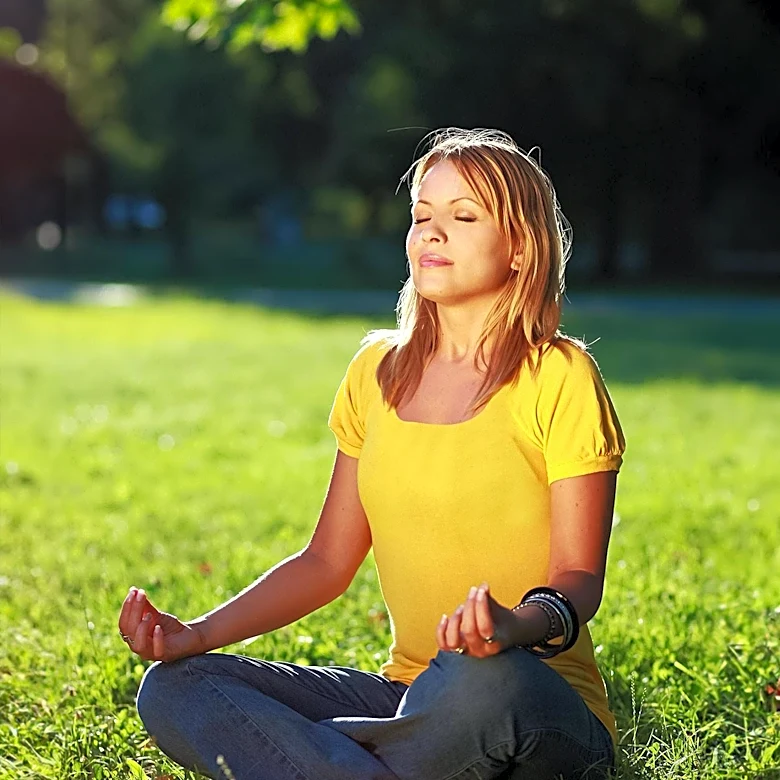
Meditation often incorporates breathing techniques to cultivate mindfulness and inner peace. Anapanasati, a form of Buddhist
meditation introduced by Buddha, centers on mindfulness of breath. Practitioners focus on the natural rhythm of inhalation and exhalation, using the breath as an anchor to remain present in the moment.
This practice helps to calm the mind and reduce stress by encouraging a state of relaxation. By paying attention to the breath, individuals can become more aware of their thoughts and emotions, allowing them to observe without judgment. This awareness fosters a sense of tranquility and can lead to profound insights into one's mental and emotional state.
Pranayama in Yoga
Yoga incorporates various breathing techniques known as pranayama, which are designed to control and enhance the flow of energy within the body. Pranayama involves deliberate breath control, often through specific patterns of inhalation, retention, and exhalation. These techniques are believed to balance the body's energy and improve overall health.
Practicing pranayama can increase lung capacity, improve circulation, and boost mental focus. It is often used to prepare the body and mind for deeper meditation or physical postures. By regulating the breath, practitioners can achieve a state of harmony and balance, promoting physical and mental well-being.
The Buteyko Method and Tai Chi
The Buteyko method, developed as a treatment for asthma, emphasizes breath control to reduce symptoms and improve respiratory health. This technique involves shallow breathing and breath-holding exercises to normalize breathing patterns and enhance oxygen utilization.
Similarly, tai chi combines aerobic exercise with breathing exercises to strengthen the diaphragm and improve posture. This practice focuses on making better use of the body's qi, or vital energy, through controlled breathing and gentle movements. Both the Buteyko method and tai chi highlight the therapeutic potential of breath control in promoting health and vitality.
Breathing techniques in meditation and yoga offer a holistic approach to health, emphasizing the interconnectedness of body, mind, and spirit. By harnessing the power of breath, individuals can enhance their well-being and achieve a greater sense of balance and peace.