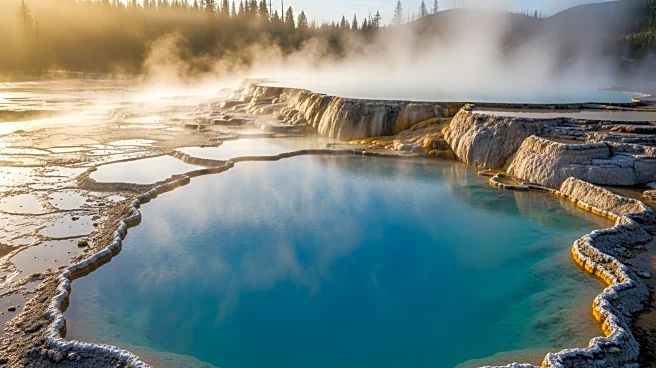




Yellowstone National Park holds a special place in history as the world's first national park, established in 1872. Spanning over 2.2 million acres across Wyoming, Montana, and Idaho, it is renowned for its geothermal features and diverse wildlife. This article explores the historical milestones that have shaped Yellowstone into the iconic park it is today.
Establishment and Early Years
The creation of Yellowstone National Park marked a pivotal moment in conservation history. On
March 1, 1872, President Ulysses S. Grant signed the law establishing the park, setting a precedent for the preservation of natural wonders. The park's name is derived from the Yellowstone River, which flows through its vast landscapes.
Initially, there were no laws to protect the park's wildlife, leading to challenges in conservation. It wasn't until 1883 that legislation was enacted to prevent the hunting of animals within the park. The National Park Protection Act of 1894 further strengthened these efforts, prohibiting the destruction of natural resources and ensuring the park's preservation.
Conservation Milestones
Yellowstone's establishment was driven by the vision of conservationists who recognized the need to protect its unique environment. The park's designation as a UNESCO World Heritage Site in 1978 underscored its global significance. This recognition highlighted the park's natural beauty and ecological importance, drawing attention to the need for continued conservation efforts.
Throughout its history, Yellowstone has faced challenges, including the devastating fires of 1988. These fires burned over 890 square miles of forest, prompting new fire management strategies. Today, natural wildfires are allowed to burn under controlled conditions, ensuring the park's ecosystems remain balanced.
Influence on National Parks
Yellowstone's establishment set the stage for the creation of national parks worldwide. Its success inspired the formation of other parks, such as Royal National Park in Australia and Banff National Park in Canada. The concept of preserving natural landscapes for public enjoyment and ecological protection became a global movement.
The park's influence extends beyond its borders, serving as a model for conservation practices. Its role in protecting wildlife and natural resources has shaped policies in other regions, emphasizing the importance of preserving natural heritage. As the first national park, Yellowstone continues to be a symbol of conservation and a testament to the enduring value of protecting the natural world.