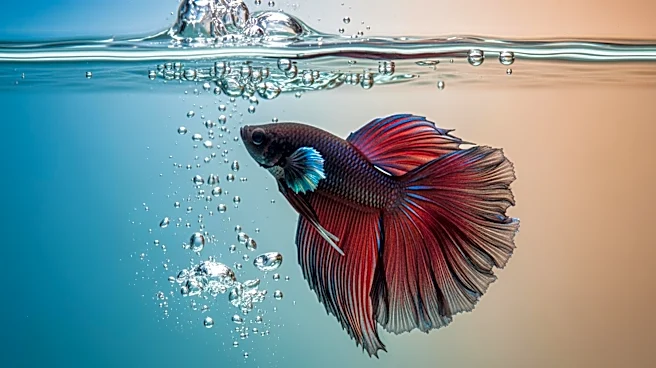





Betta fish, particularly the Siamese fighting fish, are among the most popular aquarium pets worldwide. Known for their vibrant colors and engaging personalities, these fish are a favorite among both novice and experienced aquarists. However, their popularity also brings challenges and responsibilities for those who choose to keep them as pets.
Popularity and Appeal
The appeal of Betta fish lies in their stunning appearance and relatively easy care requirements. With a wide
range of colors and fin shapes, Betta fish are often seen as living art, adding beauty and interest to any aquarium. Their ability to thrive in small tanks or bowls makes them accessible to people with limited space, further contributing to their popularity.
Betta fish are also known for their interactive behavior. They often respond to their owners, recognizing them and even following their movements. This engaging behavior makes them a favorite among pet owners who enjoy interacting with their fish. The Siamese fighting fish, in particular, is known for its aggressive nature, which can be both a challenge and a point of interest for aquarists.
Care Requirements
While Betta fish are relatively easy to care for, they do have specific needs that must be met to ensure their health and well-being. One of the most important aspects of Betta care is providing access to the water's surface, as they need to breathe atmospheric air using their labyrinth organ. This means that tanks should not be too deep, and there should be ample surface area for the fish to access air.
Betta fish are also territorial and aggressive, especially males, which means they should be kept alone or with carefully selected tank mates. Overcrowding or placing multiple males together can lead to stress and fighting, which can harm the fish. Providing a suitable environment with hiding spots and plants can help reduce stress and promote natural behaviors.
Challenges and Considerations
Despite their popularity, Betta fish face challenges in the aquarium trade. Many are kept in inadequate conditions, such as small bowls without proper filtration or heating. This can lead to health issues and a shortened lifespan. Educating pet owners about the proper care of Betta fish is crucial to ensure their well-being.
Additionally, the demand for Betta fish has led to overbreeding and the development of extreme fin shapes and colors, which can sometimes result in health problems. Responsible breeding practices and awareness of the needs of these fish are essential to maintaining their health and preserving their natural beauty.