




Arena da Amazônia, located in Manaus, Brazil, is a modern football stadium that was built to host matches during the 2014 FIFA World Cup. This article delves into the architectural design and construction process of this impressive structure, which replaced the old Vivaldão stadium. The stadium's design and construction were significant undertakings, reflecting both modern engineering and the cultural context of its location.
Architectural Vision
The Arena da Amazônia
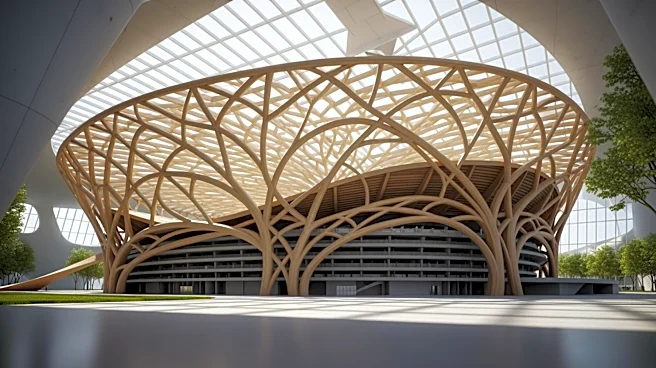
was designed by the German architectural firm Gerkan, Marg and Partner (gmp), in collaboration with the engineering firm Schlaich Bergermann and Partner. The design aimed to create a stadium that would not only serve as a venue for international football events but also reflect the unique environment of the Amazon region. The architects drew inspiration from the surrounding rainforest, incorporating elements that mimic the natural beauty and complexity of the Amazon.
The stadium's exterior features a lattice-like structure that resembles a woven basket, a nod to the traditional crafts of the region. This design choice not only provides aesthetic appeal but also serves functional purposes, such as allowing natural ventilation and reducing energy consumption. The use of natural materials and sustainable design principles was a key focus, aligning with the global trend towards environmentally conscious architecture.
Construction Challenges
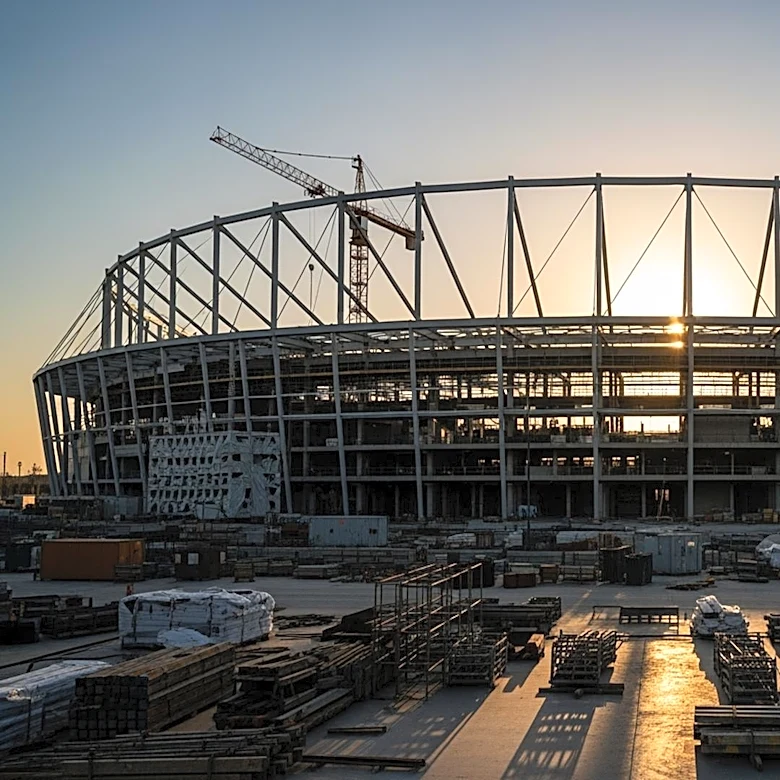
Construction of the Arena da Amazônia began in 2010 and was completed in 2014, just in time for the World Cup. The project faced several challenges, including the logistical difficulties of building a large structure in a remote location like Manaus. Transporting materials and equipment to the site required careful planning and coordination, given the limited infrastructure in the region.
The construction process was not without its setbacks. Tragically, four workers lost their lives during the building of the stadium, leading to temporary work stoppages and increased scrutiny on safety practices. Despite these challenges, the project was completed, albeit with some delays, and the stadium was inaugurated on March 9, 2014.
A Modern Sporting Venue
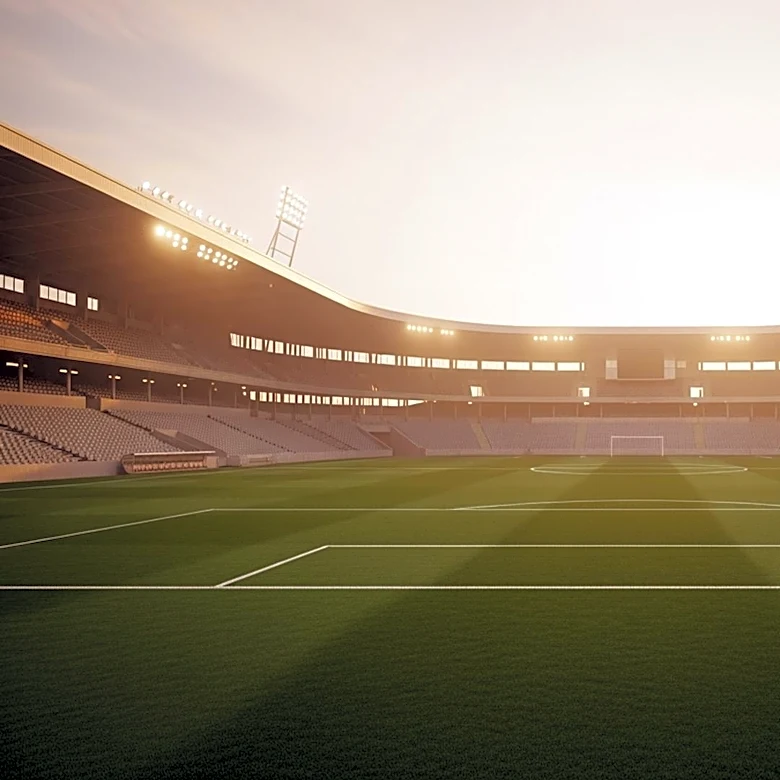
With a seating capacity of 44,300, Arena da Amazônia is equipped with modern amenities to enhance the spectator experience. The stadium includes features such as luxury boxes, a restaurant, and facilities for people with disabilities. It also incorporates systems for rainwater harvesting and natural ventilation, reducing its environmental footprint.
The stadium's design and construction have been praised for their innovation and sensitivity to the local environment. However, the project has also faced criticism regarding its long-term sustainability and the lack of a clear plan for its use post-World Cup. Despite these concerns, Arena da Amazônia stands as a testament to modern architectural and engineering achievements in the heart of the Amazon.