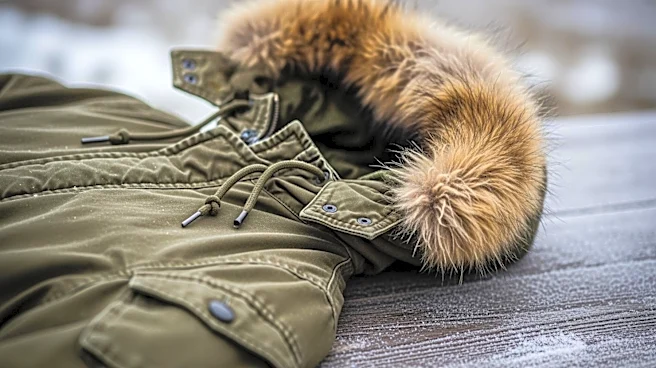





The parka, a garment synonymous with warmth and protection, has played a crucial role in military history, particularly during the Korean War. Its adoption by the U.S. Army marked a significant evolution in cold-weather combat gear, showcasing the garment's adaptability and effectiveness in extreme conditions. This article explores the parka's military journey, highlighting its development and impact on soldiers' lives.
Development of the Fishtail Parka
The fishtail parka was first
introduced by the United States Army in 1950, during the Korean War. The need for a new cold-weather combat system was evident following the end of World War II, leading to the creation of four main styles: the EX-48, M-48, M-51, and M-65. Each model was designed to improve upon its predecessor, with the M-48 being the first actual production model after the pattern was standardized in 1948.
The name "fishtail" comes from the garment's distinctive back extension, which could be folded up between the legs and fixed using snap connectors. This design provided additional wind-proofing, crucial for soldiers facing harsh weather conditions. The fishtail parka's ability to be worn over other layers of clothing made it an ideal choice for combat arms forces, ensuring warmth and mobility in the field.
Innovations and Features
The fishtail parka underwent several revisions to enhance its functionality and production efficiency. The EX-48 model, the first prototype, featured a left sleeve pocket and was made of thin poplin, while later models used heavier sateen canvas cotton. The M-48 parka included a wool pile liner with an integral hood liner, providing superior warmth compared to its predecessors.
The M-51 model introduced a more versatile three-piece system, allowing for easier cleaning and customization based on temperature needs. This model was cheaper to mass-produce, making it more accessible for widespread military use. The final revision, the M-65, featured a detachable hood and a removable quilted liner made of modern synthetic materials, further enhancing the parka's adaptability and comfort.
Legacy and Cultural Influence
The parka's military legacy extends beyond its practical use, influencing fashion and popular culture. Its adoption by the mod subculture in the 1960s, due to its practicality and availability from military surplus shops, transformed the garment into a symbol of youthful rebellion and style. The parka's presence in popular culture, particularly during the Bank Holiday riots, solidified its status as a fashionable item.
Today, the parka remains a testament to the ingenuity of military design and its ability to adapt to civilian life. Its evolution from a combat essential to a fashion staple reflects broader cultural shifts and the enduring appeal of functional design. As fashion continues to evolve, the parka's military roots serve as a reminder of its historical significance and lasting impact.