
Leggings have undergone significant transformations over the centuries, evolving from practical leg coverings to a staple in modern fashion. Initially worn by men in the 18th century, leggings were made of cloth or leather and wrapped around the leg down to the ankle. Today, they are primarily associated with women's fashion, often made from elastic materials like Lycra. This article traces the journey of leggings through time, highlighting key changes
in their design and usage.
Historical Beginnings
In the 18th century, leggings were primarily a men's garment, crafted from cloth or leather. These early versions were wrapped around the leg, serving as protection and warmth. By the 19th century, leggings had expanded their role, becoming part of infants' clothing paired with jackets. Soldiers and trappers also utilized leggings made from leather or wool, emphasizing their practical applications in various settings.
The Renaissance period saw men in Europe wearing separate hose, a form of leggings, while the Scottish Highlands favored trews. Native Americans wore buckskin leather leggings, showcasing the garment's widespread use across different cultures. These early iterations laid the groundwork for leggings' eventual transition into women's fashion.
Transition to Women's Fashion
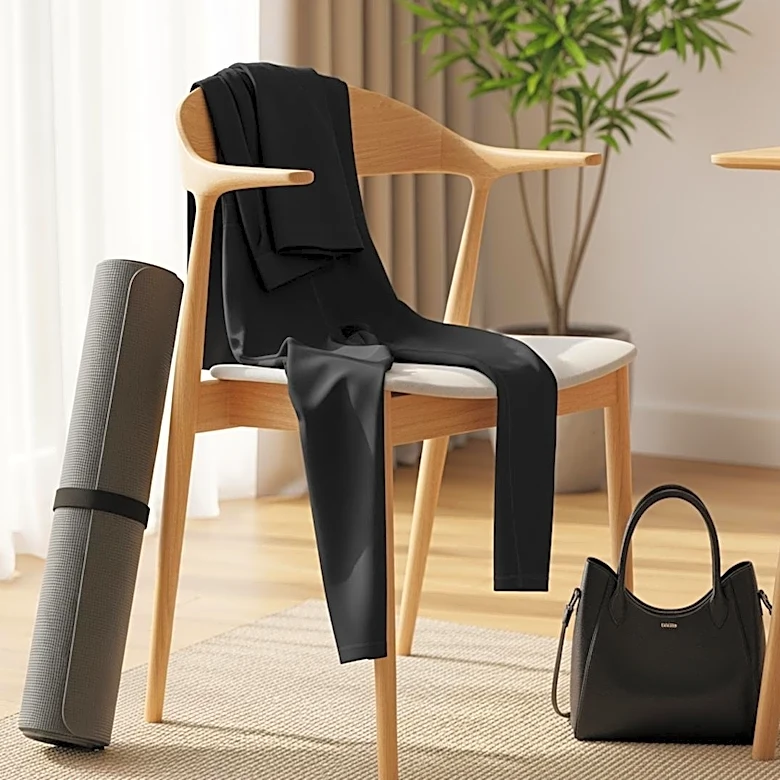
Leggings made a prominent return to women's fashion in the 1960s, inspired by the form-fitting attire of dancers. The introduction of synthetic fibers like Lycra and the aerobics craze of the 1970s and 1980s further propelled leggings into mainstream fashion. They became a popular choice for exercise and streetwear, reflecting a shift towards more casual and versatile clothing options.
The late 2010s and 2020s saw leggings become a key component of the athleisure trend, where activewear is worn outside of sporting activities. This trend underscores the garment's adaptability and enduring appeal, as leggings continue to be a favored choice for comfort and style.
Modern Variations and Trends
Today, leggings are available in a variety of styles and materials, catering to diverse fashion preferences. Nylon-lycra blends are common in exercise leggings, often featuring racing stripes or reflective patterns for added safety. Men's leggings, or "meggings," emerged as a fashion trend in the 2010s, highlighting the garment's expanding demographic reach.
Jeggings, a blend of leggings and jeans, gained popularity in the late 2000s, offering a skin-tight denim appearance. This innovation reflects the ongoing evolution of leggings, as designers continue to experiment with new materials and styles. From their historical roots to modern adaptations, leggings remain a dynamic and versatile element of fashion.