
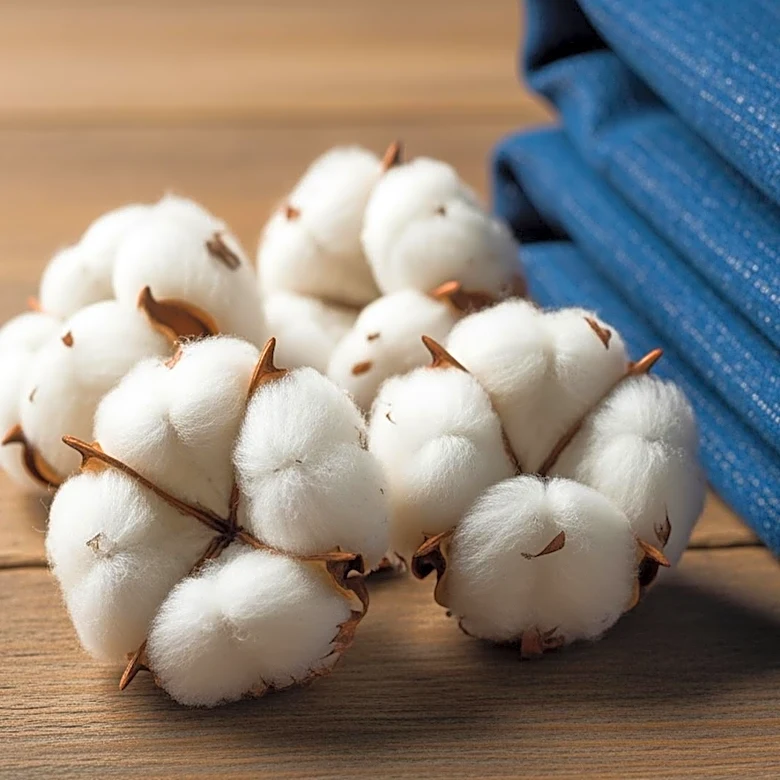



Denim, a fabric that has become synonymous with casual fashion, has a rich history that dates back to its origins in Nîmes, France. Originally designed for durability, denim has transformed over the years from a practical workwear material to a global fashion staple. This article explores the journey of denim, highlighting its evolution and the cultural shifts that have influenced its status in the fashion world.
Origins and Early Use
Denim's story begins in the city of
Nîmes, France, where it was first produced. The fabric's name is derived from the French phrase "sergé de Nîmes," meaning "serge from Nîmes." This sturdy cotton textile was initially used for workwear due to its durability and strength. The twill weave of denim, characterized by its diagonal ribbing, set it apart from other fabrics like cotton duck, making it ideal for labor-intensive tasks.
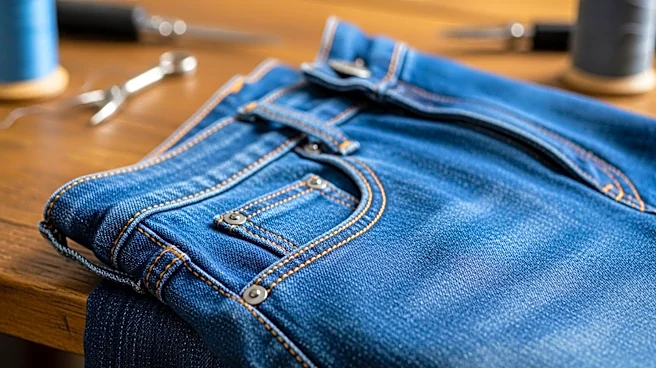
In the 19th century, denim made its way to the United States, where it gained popularity as a material for work pants. Jacob W. Davis, a tailor from Nevada, played a pivotal role in this transition by creating the first pair of rivet-reinforced denim pants in 1873. This innovation, in collaboration with Levi Strauss & Co., marked the beginning of denim's association with rugged workwear, particularly among miners and laborers.
Denim's Cultural Shift
The mid-20th century marked a significant turning point for denim as it transitioned from workwear to a symbol of youth culture and rebellion. In the 1950s and 1960s, denim became a staple in the wardrobes of young people, influenced by popular films and iconic figures of the time. The fabric's association with nonconformity and rebellion resonated with the younger generation, who began wearing denim as a statement of individuality.
As denim's popularity grew, it transcended its utilitarian roots and entered the mainstream fashion industry. By the late 1960s, denim had spread beyond the United States, becoming a global phenomenon. Its versatility and adaptability allowed it to be embraced by various subcultures, further solidifying its place in fashion history.
Modern Denim and Its Global Impact
Today, denim is a ubiquitous fabric found in a wide range of garments, from jeans and jackets to accessories and furniture. Its journey from a practical workwear material to a fashion staple reflects broader cultural and social changes. Denim's ability to adapt to different styles and trends has ensured its continued relevance in the fashion industry.
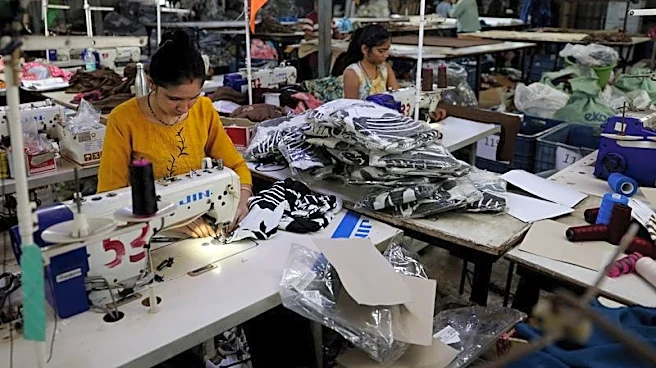
The global denim market continues to grow, with significant production taking place in countries like China, India, and Bangladesh. As denim remains a symbol of both comfort and style, its evolution serves as a testament to the fabric's enduring appeal and its impact on fashion worldwide.