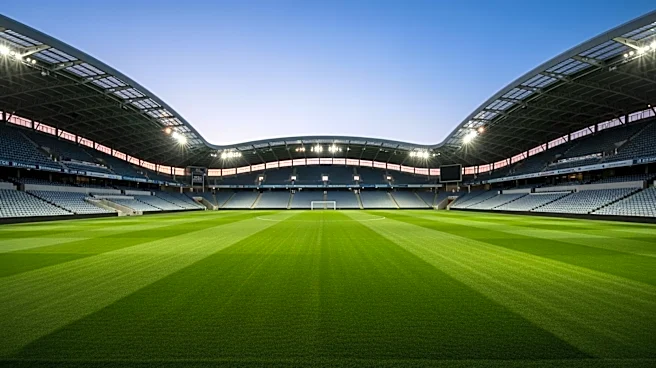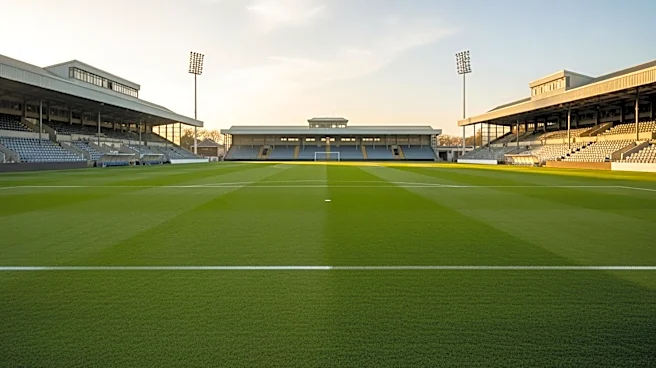

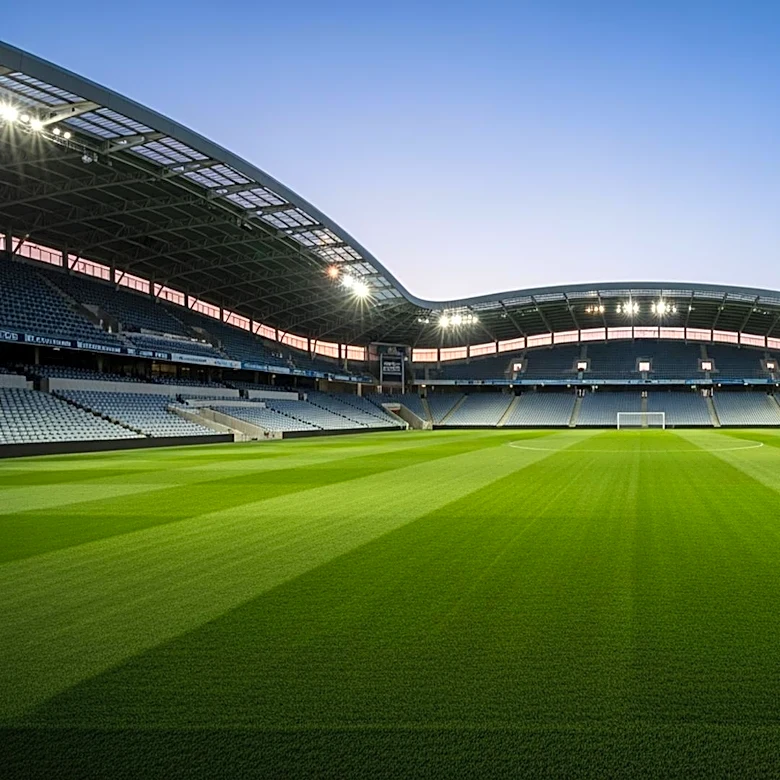





Örjans Vall, a football stadium in Halmstad, Sweden, is a site of significant global football heritage. Built in 1922, it gained international recognition when it hosted matches during the 1958 FIFA World Cup. This event marked a pivotal moment in the stadium's history, elevating its status on the world stage and contributing to its legacy in the realm of international football.
Hosting the 1958 FIFA World Cup
The 1958 FIFA World Cup was a historic event for Sweden, as it was the
first time the country hosted the tournament. Örjans Vall was selected as one of the venues, a testament to its quality and capacity to host international matches. The stadium hosted two matches during the World Cup, drawing attention from football fans around the globe.
Hosting World Cup matches was a significant achievement for Örjans Vall and the city of Halmstad. It brought international visitors and media to the area, showcasing the stadium and the city to a global audience. The event was a source of pride for the local community and highlighted Sweden's ability to host major international sporting events.
Impact on Global Football
The inclusion of Örjans Vall in the 1958 FIFA World Cup had a lasting impact on global football. It demonstrated the potential for smaller venues to host significant international events, paving the way for future tournaments to consider a wider range of locations. The success of the World Cup in Sweden, with Örjans Vall as a key venue, contributed to the evolution of how and where international football tournaments could be held.
The matches played at Örjans Vall during the World Cup also contributed to the global football narrative. They were part of a tournament that saw the emergence of new football talents and memorable matches that are still celebrated today. Örjans Vall's role in this event has ensured its place in the annals of football history.
Preserving a Legacy
Today, Örjans Vall continues to be a symbol of football heritage. Its involvement in the 1958 FIFA World Cup remains a highlight of its history, and the stadium is celebrated for its contribution to the sport. As football continues to grow and evolve, Örjans Vall stands as a reminder of the sport's rich history and the importance of preserving venues that have played a role in shaping it.
The legacy of Örjans Vall is not just about the matches it has hosted but also about its enduring presence in the world of football. It serves as a testament to the sport's ability to bring people together and create lasting memories.