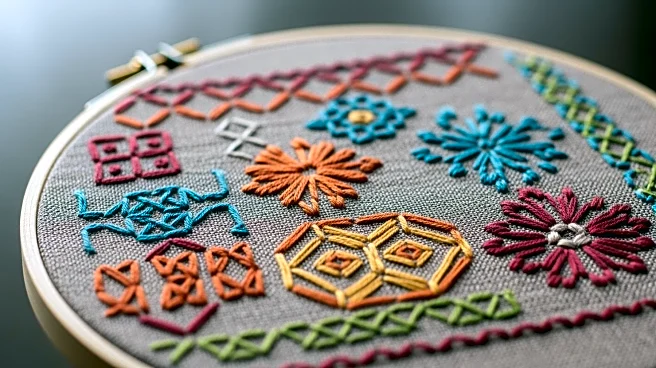




Sewing is a universal craft that has been practiced by cultures around the world for thousands of years. Each culture has developed its own unique techniques and styles, reflecting their environment, resources, and traditions. This article explores some of the diverse sewing methods from various cultures, highlighting the global nature of this ancient craft.
Indigenous Techniques
Indigenous peoples have long used sewing to create clothing and shelter suited to their environments.
The Inuit, for example, developed sophisticated sewing techniques using caribou sinew as thread and bone needles. These materials were ideal for creating warm, durable clothing necessary for survival in Arctic climates.
In Africa, sewing was often combined with weaving to create functional and decorative items. Zulu weavers used thin strips of palm leaf as thread to stitch together wider strips, forming intricate baskets. This method of combining sewing and weaving demonstrates the resourcefulness and creativity of African artisans.
European and Asian Innovations
In Europe, sewing became a specialized craft during the Middle Ages. Wealthy individuals employed seamstresses and tailors to create elaborate garments, often using luxurious fabrics and intricate embroidery. Sewing tools like needles and pins were valuable items, reflecting the importance of the craft in society.
Asian cultures also developed unique sewing techniques. Japanese sewing, for example, traditionally involved using a running stitch that allowed garments to be easily taken apart for cleaning. This method was practical and efficient, reflecting the Japanese emphasis on simplicity and functionality.
Cross-Cultural Influences
Throughout history, trade routes facilitated the exchange of sewing techniques between cultures. The Silk Road, for example, brought Chinese embroidery techniques to Western Asia and Eastern Europe. Similarly, Middle Eastern sewing methods spread to Southern and Western Europe through Morocco and Spain.
European imperialism also played a role in spreading sewing techniques worldwide. Western sewing methods were introduced to sub-Saharan Africa by Christian missionaries, influencing local dress styles. Despite these influences, many cultures have retained their traditional sewing techniques, preserving their unique cultural identities.
Modern Global Sewing
Today, sewing continues to be a global craft, with people from all cultures engaging in this creative activity. The internet has facilitated the sharing of sewing techniques and patterns, allowing individuals to learn from and be inspired by different cultures. This exchange of ideas has enriched the craft, making sewing a truly global art form.
While sewing techniques may vary across cultures, the fundamental principles remain the same. This shared foundation highlights the universal nature of sewing, connecting people across time and space through the simple act of stitching fabric together.