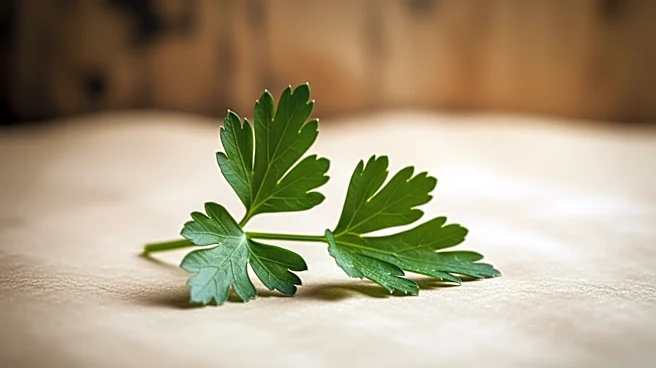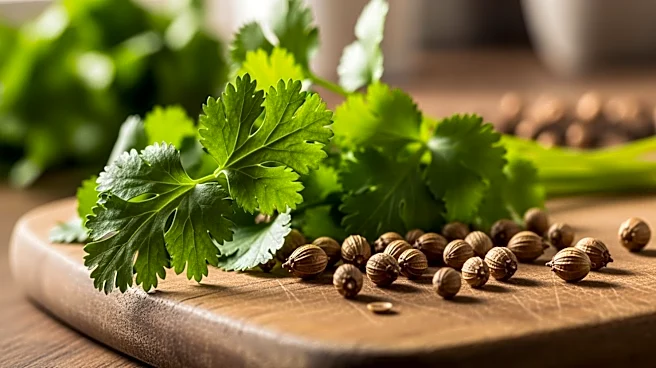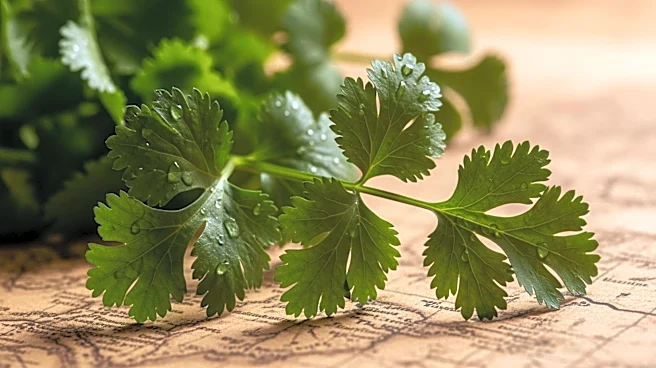


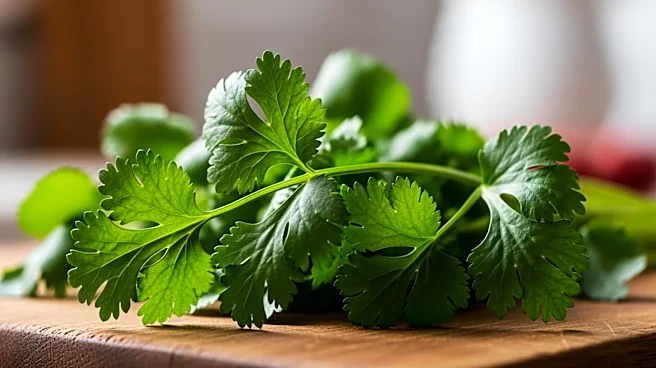
Cilantro, known scientifically as Coriandrum sativum, has a rich history that spans thousands of years. Native to the Mediterranean Basin, this herb has traveled across continents, becoming a staple in various cuisines worldwide. Its journey from ancient times to modern kitchens is a testament to its enduring appeal and versatility.
Ancient Origins and Early Cultivation
Cilantro's history dates back to ancient times, with evidence of its use found in archaeological sites. In Israel, coriander
mericarps were discovered in the Pre-Pottery Neolithic B level, dating back six to eight thousand years. These findings suggest that cilantro was known and used by ancient civilizations in the region.
The herb is also mentioned in ancient texts, such as the Torah, where it is used as a reference for the taste of manna. This implies that cilantro was a well-known ingredient in ancient Israel. Additionally, coriander seeds were found in the tomb of Tutankhamen, indicating that the ancient Egyptians cultivated the herb, despite it not growing wild in Egypt.
Cilantro's Spread Across Europe and Asia
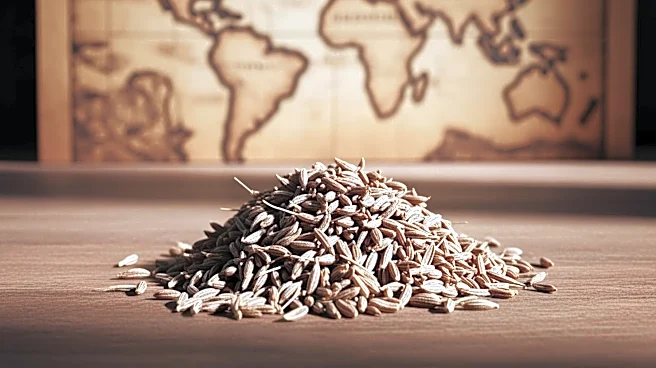
Cilantro's journey continued as it spread across Europe and Asia. In Greece, it was cultivated as early as the second millennium BCE, with references to its use in the manufacture of perfumes. The herb was valued for both its seeds and leaves, which were used as a spice and flavoring agent, respectively.
Archaeological evidence from Macedonia supports the idea that cilantro was cultivated in the region during the Early Bronze Age. The large quantities of coriander retrieved from ancient sites suggest that it was an important crop for early European civilizations. As trade routes expanded, cilantro found its way to Asia, where it became a key ingredient in Indian and Southeast Asian cuisines.
Cilantro in Modern Times
Today, cilantro is a global culinary staple, used in a wide range of dishes from Mexican salsas to Indian curries. Its fresh leaves and dried seeds are prized for their unique flavors, which enhance a variety of foods. Despite its polarizing taste, cilantro's popularity continues to grow, with its use expanding into new culinary territories.
The herb's historical journey from the Mediterranean Basin to kitchens worldwide highlights its adaptability and enduring appeal. As a versatile ingredient with a rich history, cilantro remains a beloved component of many traditional and contemporary dishes, bridging cultures and cuisines across the globe.