






The construction of the Panama Canal was one of the most ambitious engineering projects of the early 20th century. Spanning from 1904 to 1914, the project faced numerous challenges, requiring innovative solutions and advanced technology. This article delves into the engineering feats that made the Panama Canal a reality.
Overcoming Natural Obstacles
The Panama Canal project faced significant natural obstacles, including the dense jungle, mountainous terrain, and the unpredictable
Chagres River. The most challenging section was the Culebra Cut, a massive excavation through the continental divide. Engineers had to remove millions of cubic yards of earth and rock to create a navigable channel.
To address these challenges, the project employed advanced machinery, such as steam shovels and cranes, to expedite the excavation process. The construction also required the development of a comprehensive railway system to transport materials and workers across the canal zone. This infrastructure was crucial for maintaining the pace of construction and ensuring the project's success.
Innovative Lock System
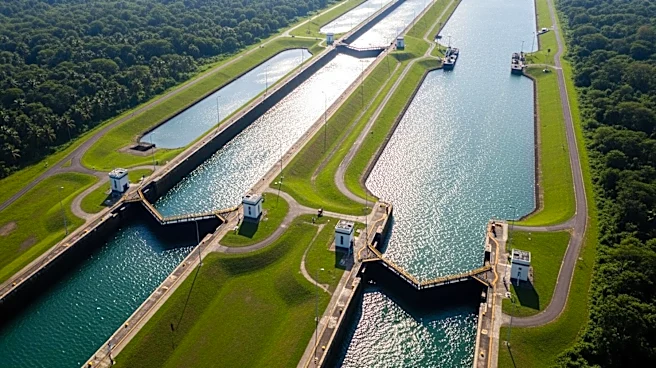
One of the most significant engineering innovations of the Panama Canal was the lock system. Initially, there was debate over whether to build a sea-level canal or a lock canal. The decision to construct a lock canal was a turning point, as it allowed for the creation of Gatun Lake, an artificial reservoir that facilitated the movement of ships.
The lock system involved constructing massive concrete chambers that could raise and lower ships between sea level and the lake. This required precise engineering and construction techniques to ensure the locks' functionality and durability. The locks were designed to accommodate Panamax ships, which were specifically built to fit the canal's dimensions.
Addressing Health and Safety
The construction of the Panama Canal also required addressing health and safety concerns, particularly related to diseases such as yellow fever and malaria. The project's success depended on maintaining a healthy workforce, which was achieved through extensive sanitation measures.
Colonel William C. Gorgas implemented a range of strategies to control the mosquito population, including fumigation, drainage, and the installation of mosquito netting. These efforts significantly reduced the incidence of disease, allowing the workforce to focus on the engineering challenges at hand.
The completion of the Panama Canal in 1914 marked a significant achievement in engineering and international collaboration. The canal's construction showcased the power of human ingenuity and determination, overcoming natural and technical obstacles to create a vital conduit for global trade.