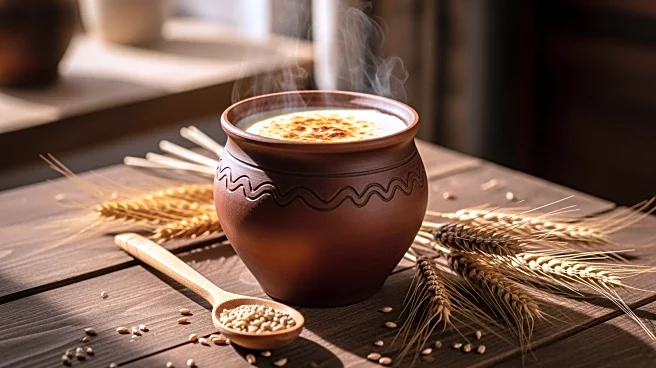




Ryazhenka is a beloved fermented milk product originating from Belarus, Russia, and Ukraine. Known for its creamy color and caramel flavor, this traditional beverage is deeply rooted in the culinary practices of these regions. The process of making Ryazhenka is a testament to the rich cultural heritage and the meticulous methods passed down through generations.
Historical Methods of Preparation
Traditionally, Ryazhenka was made by baking milk in a clay pot, known as a glechik or krinka,
in a Ukrainian oven. This process involved simmering the milk on low heat for at least eight hours. The prolonged exposure to heat caused the Maillard reaction, where the milk's amino acids and sugars interacted to form melanoidin compounds. These compounds are responsible for the distinctive creamy color and caramel flavor of Ryazhenka. The traditional method also allowed a significant amount of moisture to evaporate, changing the consistency of the milk.
In household production, sour cream, or smetana, was added to the baked milk to initiate fermentation. This method not only preserved the milk but also enhanced its flavor and nutritional value. The use of a traditional oven and clay pots was integral to achieving the authentic taste and texture of Ryazhenka, making it a cherished part of the local cuisine.
Modern Industrial Production
With the advent of modern technology, the production of Ryazhenka has evolved. In industrial settings, the process begins with pasteurizing the milk, followed by simmering it on low heat. Instead of using sour cream, pure thermophile bacterial cultures such as Streptococcus thermophilus and Lactobacillus delbrueckii subsp. bulgaricus are introduced to the milk. These cultures facilitate the fermentation process, which occurs at temperatures above 40°C (100°F) and typically takes three to six hours.
The industrial production of Ryazhenka allows for a consistent product with a fat content that can vary from less than 0.5% to 8.9%, depending on whether skimmed or whole milk is used. Despite these modern adaptations, the essence of Ryazhenka remains the same, preserving its traditional flavor and nutritional benefits.
Cultural Significance
Ryazhenka holds a special place in the culinary traditions of Belarus, Russia, and Ukraine. It is not just a beverage but a symbol of cultural identity and heritage. The traditional methods of making Ryazhenka reflect the resourcefulness and ingenuity of the people in these regions, who developed techniques to preserve milk and enhance its flavor long before modern refrigeration.
Today, Ryazhenka continues to be enjoyed by many, both in its traditional form and as a commercially produced product. Its unique taste and texture make it a favorite among those who appreciate the rich culinary traditions of Eastern Europe. Whether made at home or purchased from a store, Ryazhenka remains a testament to the enduring legacy of traditional food practices.