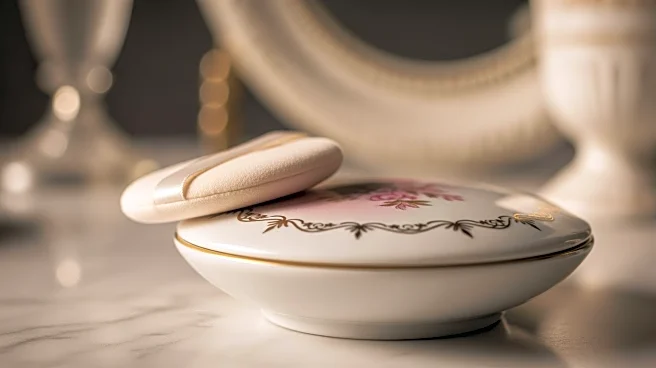




Rouge, a cosmetic product used to color the cheeks and lips, has a rich history that spans centuries. Known for its ability to enhance facial features, rouge has evolved significantly in its formulation and application methods. This article delves into the historical journey of rouge, highlighting its origins and transformations over time.
Ancient Beginnings
The use of rouge can be traced back to ancient civilizations, where it was a staple in beauty routines. The Ancient
Egyptians were pioneers in the creation of cosmetics, including rouge. They crafted a red stain by blending fat with red ochre, which was applied to both lips and cheeks. This practice was not limited to women; men also adorned themselves with rouge, as depicted in Egyptian pictographs.
The Greeks followed suit, using natural ingredients like crushed mulberries and strawberries to create their rouge. In Greek society, wearing makeup was a symbol of wealth and status, as cosmetics were expensive and not accessible to everyone. Similarly, in ancient China, rouge was used as early as the Shang Dynasty. Made from the juice of red and blue flowers, it was often mixed with bovine pulp to achieve a denser consistency.
Rouge in the Roman Empire
In Ancient Rome, the use of rouge was prevalent among both men and women. However, the ingredients used were hazardous, including lead and cinnabar, which led to severe health issues such as cancer and dementia. Despite the risks, rouge remained popular due to its ability to enhance one's appearance.
The Romans also experimented with other materials like malachite and antimony to create their rouge. The desire for beauty often outweighed the potential dangers, reflecting the societal importance placed on appearance. This era marked a significant point in the history of rouge, as it highlighted the lengths to which people would go to achieve their desired look.
Modern Rouge and Its Variants
Today, rouge is primarily known as blush and is available in various forms, including powder, cream, and liquid. Modern formulations are safer and more diverse, offering a range of colors beyond the traditional red. The development of talcum-based powders and cream-based variants like schnouda has made rouge more accessible and user-friendly.
The cosmetic industry has seen a shift in terminology, with rouge now often referring to blush rather than lipstick. This change reflects the broader color palette available for blush, which includes shades like pink, brown, and orange. The evolution of rouge from a simple red stain to a versatile cosmetic product underscores its enduring appeal and adaptability.