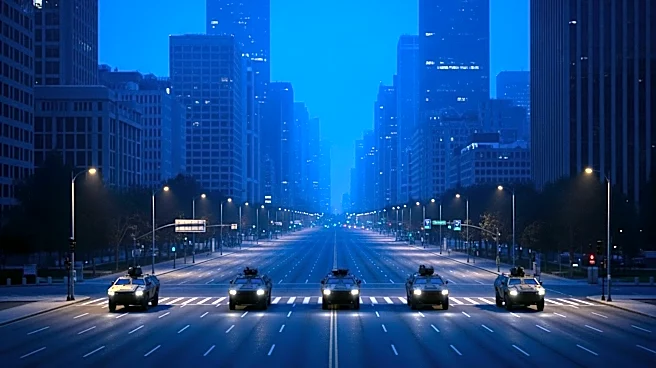







In June 2025, the Trump administration made headlines with a controversial decision to deploy military forces in Los Angeles. This move, aimed at addressing protests against immigration raids, sparked significant legal and political debates. The deployment involved 700 Marines and 4,000 National Guard troops, overriding objections from California's governor. This article delves into the controversies and legal challenges that arose from this decision.
Legal Challenges and the Posse Comitatus Act
The deployment of military forces in Los Angeles was met with immediate legal challenges. Critics argued that the Trump administration's actions violated the Posse Comitatus Act, a federal law that limits the use of the military for domestic law enforcement. On September 2, 2025, U.S. District Judge Charles Breyer ruled that the deployment was illegal, stating that there was no rebellion or inability of civilian law enforcement to handle the situation. This ruling highlighted the legal complexities of using military forces in domestic affairs and set a precedent for future deployments.
The Posse Comitatus Act has long been a cornerstone of American law, ensuring a clear separation between military and civilian law enforcement. The judge's ruling emphasized that the administration's rationale for the deployment was contrived, further complicating the legal landscape. This decision not only questioned the legality of the Los Angeles deployment but also cast doubt on the administration's broader strategy of using military forces in domestic situations.
Political Repercussions and Public Response
The deployment in Los Angeles had significant political repercussions. It was part of a broader strategy by the Trump administration to use military forces in Democratic-led cities, which critics viewed as an abuse of power. The move was seen as an attempt to portray these cities as lawless and in need of federal intervention, a narrative that was heavily criticized by local leaders and civil rights groups.
Public response to the deployment was mixed. While some supported the administration's efforts to maintain order, others saw it as an overreach of federal power. The deployment became a focal point for protests and public demonstrations, with many citizens expressing their opposition to the use of military forces in civilian matters. This public outcry further fueled the political debate and highlighted the deep divisions within the country.
The Aftermath and Future Implications
Following the court ruling, the Trump administration faced increased scrutiny over its use of military forces in domestic situations. The decision to deploy troops in Los Angeles was part of a larger pattern of military involvement in cities like Washington, D.C., and Chicago. These actions raised questions about the future of military deployments in domestic affairs and the potential for further legal challenges.
The Los Angeles deployment served as a cautionary tale for future administrations, highlighting the legal and political risks of using military forces in civilian contexts. As the country continues to grapple with issues of civil unrest and immigration, the lessons learned from this deployment will likely shape future policies and decisions regarding the use of military forces within the United States.