


Fashion accessories have evolved significantly over the centuries, reflecting changes in cultural norms, social status, and personal expression. From the 16th century to the present day, accessories have played a vital role in fashion, serving as both functional items and symbols of identity. This article explores the historical development of fashion accessories, their cultural significance, and their impact on personal style.
Early Use of Accessories
The term 'accessory'
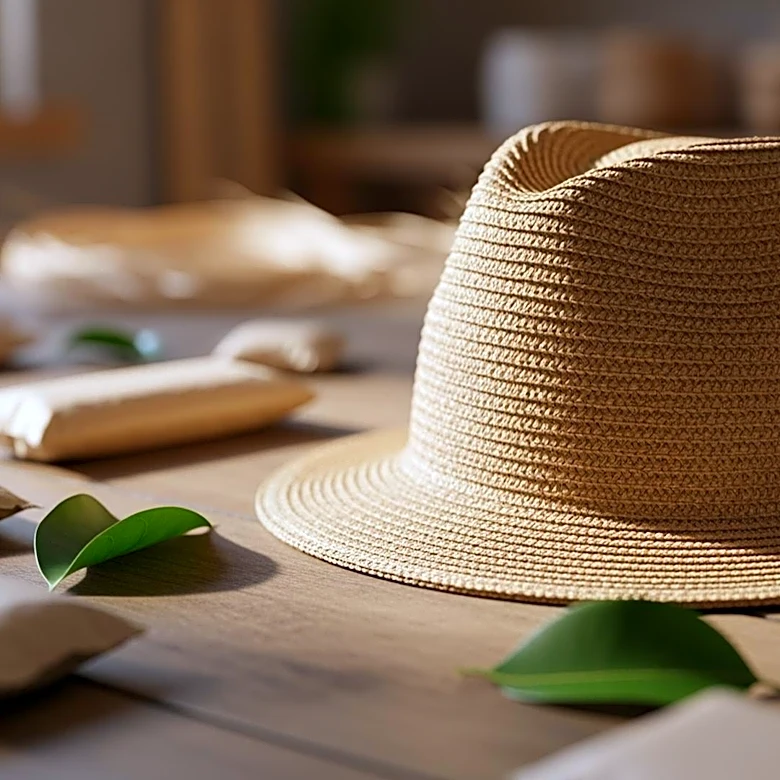
came into use in the 16th century, marking the beginning of a long history of fashion embellishments. During this time, accessories were often used to signify social status and personal identity. In Italy, civilian men of higher social status wore hat badges as decorative items, imitating the military cap badges. These badges were often fashioned after plaquettes and depicted scenes with personal relevance to the wearer.
In Victorian England, accessories such as fans, parasols, and gloves held significant cultural meaning. They were not only fashion items but also symbols of class and gender roles. Women used gloves to cover their hands, masking any signs of labor and aligning with the era's trend towards a leisurely lifestyle. Such historical uses of accessories highlight their importance beyond mere fashion, serving as cultural and social markers.
The Rise of Modern Accessories
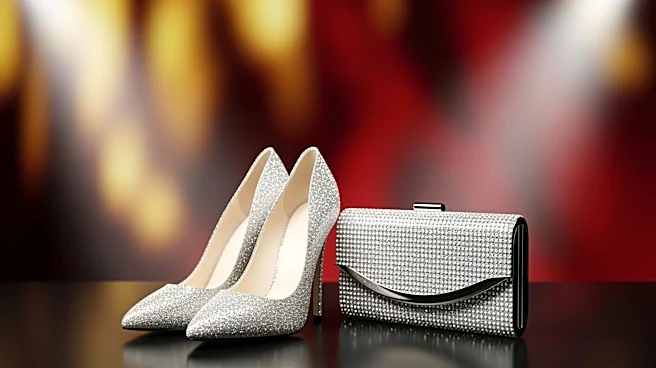
As fashion evolved, so did the types and uses of accessories. The 19th and 20th centuries saw the introduction of new materials and designs, expanding the range of available accessories. Items like handbags, watches, and jewelry became more accessible to the general public, allowing individuals to express their personal style and identity through fashion.
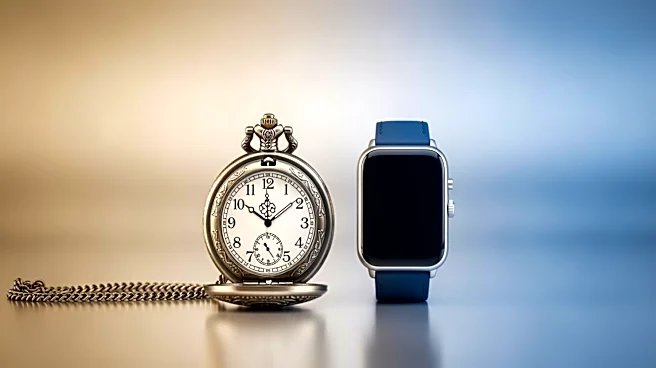
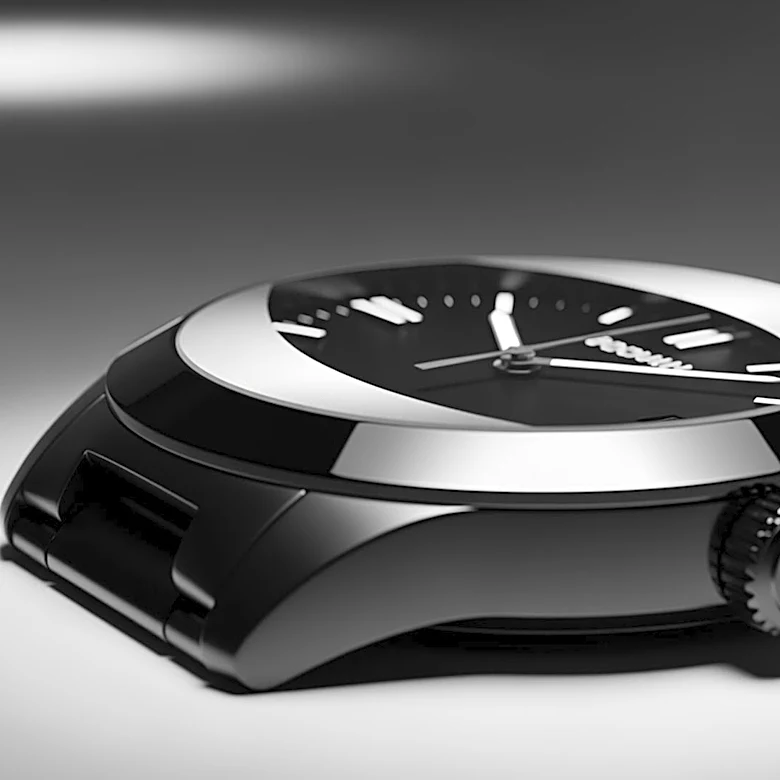
The development of new technologies also influenced the evolution of accessories. For example, the wristwatch became a popular accessory after its introduction, offering both functionality and style. Similarly, the rise of mass production allowed for the creation of affordable accessories, making fashion more accessible to a wider audience.
Cultural Impact of Accessories
Accessories have always been a reflection of cultural trends and societal changes. They offer a way for individuals to express their identity and align with cultural norms. For instance, the use of accessories in Victorian England was closely tied to social class and gender roles, while modern accessories often reflect personal style and individuality.
Today, accessories continue to play a significant role in fashion, offering versatility and creativity. They allow individuals to experiment with different looks and express themselves through fashion. Whether it's a bold pair of sunglasses or a delicate bracelet, accessories can make a statement and set the tone for an outfit. As fashion continues to evolve, accessories will remain an essential part of personal expression and cultural identity.