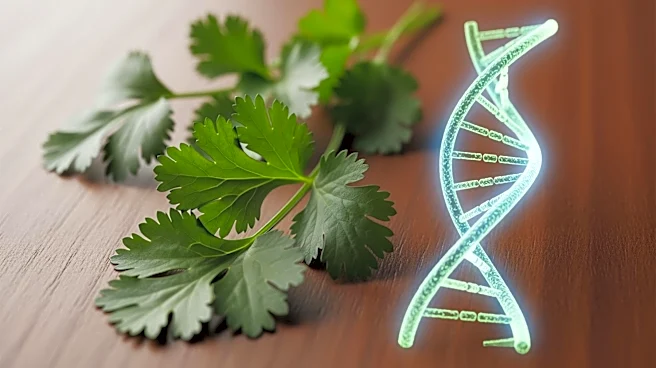








Cilantro, also known as coriander leaves, is a herb that evokes strong reactions from those who taste it. While many enjoy its fresh, citrusy flavor, others describe it as soapy or rotten. This stark difference in taste perception is not just a matter of personal preference; it is rooted in genetics. Understanding the genetic basis of cilantro taste perception reveals why this herb is so polarizing.
The Role of the OR6A2 Gene
The primary genetic factor influencing cilantro taste
perception is the OR6A2 gene. This gene is part of a cluster of olfactory-receptor genes responsible for detecting smells. It encodes a receptor that is highly sensitive to aldehyde chemicals, which are abundant in cilantro. These aldehydes are responsible for the herb's distinctive aroma and flavor.
For those who find cilantro soapy, the OR6A2 gene makes them particularly sensitive to the unsaturated aldehydes present in the herb. This heightened sensitivity can cause the flavor to be perceived as unpleasant or even offensive. Conversely, individuals who do not have this genetic sensitivity may find cilantro's flavor refreshing and enjoyable.
Genetic Variations and Ethnic Differences
Studies have shown that genetic variations in cilantro taste perception are not uniform across all populations. Research indicates that certain ethnic groups are more likely to dislike cilantro. For example, 21% of East Asians, 17% of Caucasians, and 14% of people of African descent report disliking the herb. In contrast, only 7% of South Asians, 4% of Hispanics, and 3% of Middle Eastern individuals express a similar aversion.
These differences suggest that cultural exposure and genetic predisposition both play roles in cilantro taste perception. In regions where cilantro is a staple in the local cuisine, people may be more accustomed to its flavor, potentially influencing their genetic tolerance or preference for the herb.
The Influence of Genetics on Food Preferences
The case of cilantro highlights the broader impact of genetics on food preferences. While cultural and environmental factors certainly influence what we eat, genetic predispositions can shape our taste experiences in significant ways. The genetic basis for cilantro taste perception is a fascinating example of how our biology interacts with our culinary experiences.
Understanding the genetic factors that influence taste perception can help explain why certain foods are polarizing. It also underscores the complexity of human taste and the intricate ways in which genetics and environment interact to shape our food preferences.