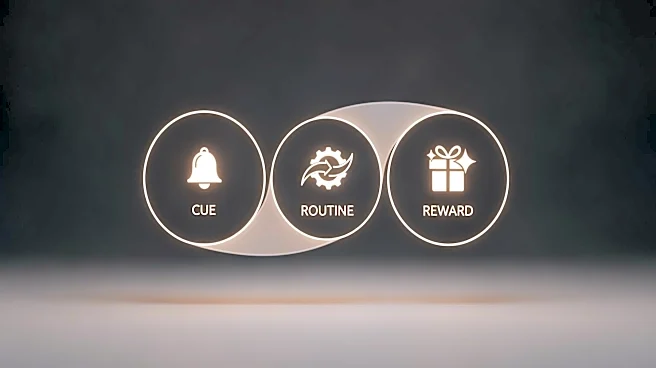










The concept of the habit loop is a fundamental framework in understanding how habits form and persist. This model, which consists of a cue, routine, and reward, has been widely discussed in behavioral science. By examining each component, we can gain insights into how habits are established and maintained, and how they can be changed.
The Role of the Cue
The cue is the first component of the habit loop and serves as the trigger for a habitual behavior. It can be anything
from a specific time of day, a location, or a preceding action. The cue is what signals the brain to initiate a routine. For example, the end of a TV program might serve as a cue to go to the fridge for a snack. This initial trigger is crucial because it sets the entire habit loop in motion.
Understanding the cue is essential for anyone looking to change a habit. By identifying what triggers a particular behavior, individuals can begin to alter their responses. This might involve changing the environment or finding ways to avoid the cue altogether. The basal ganglia, a part of the brain, plays a significant role in remembering these cues and can even revive habits if the triggers reappear after a habit has been eliminated.
Routine: The Heart of the Habit
Once the cue has triggered the habit loop, the routine is the behavior that follows. This is the actual habit that one performs, whether it's reaching for a snack, smoking a cigarette, or going for a run. The routine is the most visible part of the habit loop and is often what people focus on when trying to change a habit.
Changing the routine requires conscious effort and often involves substituting a negative behavior with a positive one. For instance, instead of reaching for a snack after a TV show, one might choose to go for a walk. This substitution can be challenging because the routine is deeply ingrained and often performed subconsciously. However, with consistent effort and repetition, new routines can become automatic.
The Reward: Reinforcing the Loop
The final component of the habit loop is the reward. This is the positive reinforcement that follows the routine and makes the habit loop appealing. Rewards can be tangible, like a sweet treat, or intangible, like a sense of satisfaction or relief. The reward is what reinforces the habit loop, making it more likely to be repeated in the future.
Understanding the reward is crucial for habit change. By identifying what one truly craves, it becomes possible to find alternative rewards that satisfy the same craving. For example, if the reward for snacking is a feeling of relaxation, finding other ways to relax, such as meditation or reading, can help break the habit loop. Over time, the new behavior becomes associated with the reward, reinforcing the new habit.
In conclusion, the habit loop of cue, routine, and reward provides a powerful framework for understanding and changing habits. By focusing on each component, individuals can gain control over their behaviors and make lasting changes.