




Alpha hydroxy acids (AHAs) have become a staple in the cosmetic industry, renowned for their ability to enhance skin appearance through exfoliation. These organic compounds, characterized by a hydroxyl group positioned one carbon away from the carboxyl group, are found in various skincare products. This article delves into the specific role AHAs play in cosmetics, highlighting their benefits and applications.
Understanding AHAs in Skincare
Alpha hydroxy acids are primarily used
in cosmetics for their exfoliating properties. They work by loosening the bonds between dead skin cells, allowing them to be easily removed. This process reveals fresher, more radiant skin underneath. Common AHAs used in skincare include glycolic acid, lactic acid, and citric acid, each offering unique benefits. Glycolic acid, for instance, is known for its small molecular size, which allows it to penetrate the skin effectively, making it a popular choice for treating fine lines and uneven skin tone.
The exfoliating action of AHAs not only improves skin texture but also enhances the absorption of other skincare products. By removing the layer of dead skin cells, AHAs help active ingredients in serums and moisturizers penetrate deeper into the skin, maximizing their efficacy. This makes AHAs a valuable component in anti-aging and brightening skincare routines.
Benefits and Applications
In addition to exfoliation, AHAs offer several other benefits for the skin. They can help improve skin hydration by increasing the production of natural moisturizing factors within the skin. Lactic acid, in particular, is known for its hydrating properties, making it suitable for individuals with dry or sensitive skin.
AHAs are also used to address specific skin concerns such as acne and hyperpigmentation. By promoting cell turnover, they can help reduce the appearance of acne scars and dark spots. Citric acid, derived from citrus fruits, is often used for its brightening effects, helping to even out skin tone and reduce discoloration.
Safety and Considerations
While AHAs are generally safe for cosmetic use, it is important to use them correctly to avoid potential side effects. Overuse or high concentrations can lead to skin irritation, redness, and increased sensitivity to the sun. It is recommended to start with lower concentrations and gradually increase usage as the skin builds tolerance.
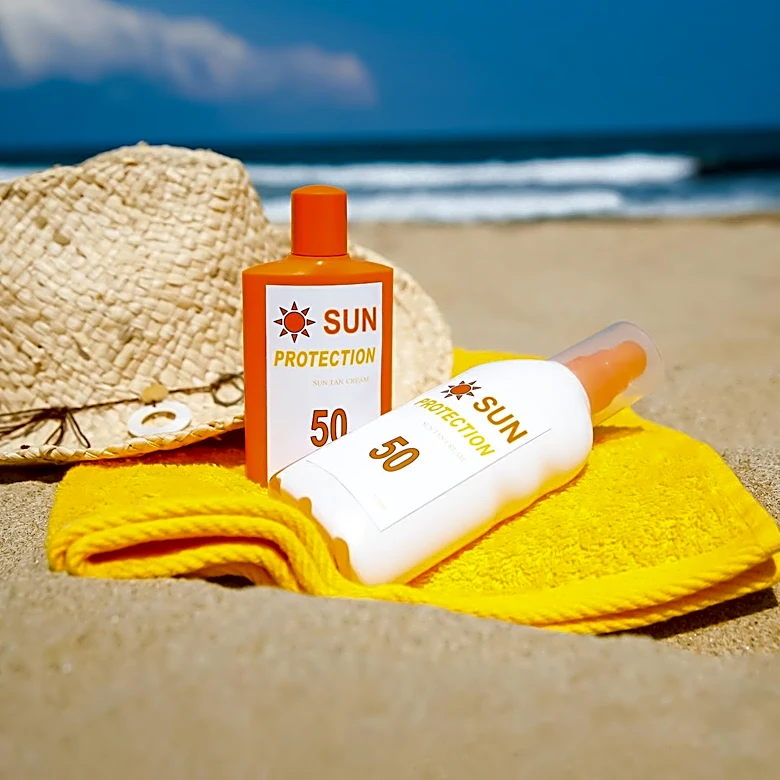
The U.S. Food and Drug Administration (FDA) advises that AHAs should be used at low concentrations with a pH level greater than 3.5. Additionally, products containing AHAs should include safety instructions to minimize the risk of adverse reactions. Users are also encouraged to apply sunscreen daily, as AHAs can increase the skin's susceptibility to sunburn.
In conclusion, alpha hydroxy acids play a significant role in the cosmetic industry, offering a range of benefits from exfoliation to hydration. When used correctly, they can enhance the overall appearance and health of the skin, making them a valuable addition to any skincare regimen.