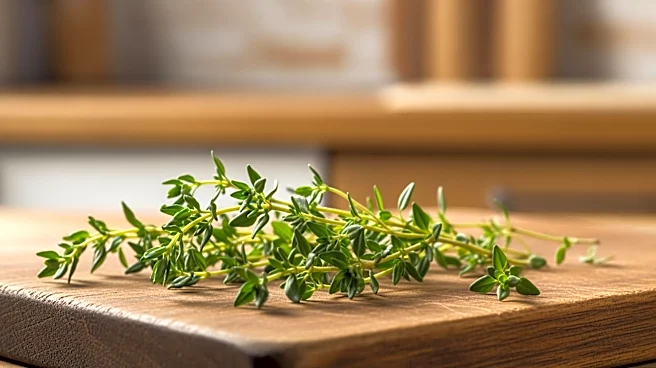





Thyme, a staple in many kitchens, has a long history as a culinary herb. Its aromatic flavor has made it a favorite in various cuisines, particularly in Mediterranean cooking. This article explores thyme's culinary uses, its role in traditional dishes, and its evolution as a beloved herb in modern cooking.
Mediterranean Roots
Thyme's culinary journey begins in the Mediterranean, where it is native. The herb's robust flavor and aroma made it a natural choice for enhancing
the taste of dishes. In Mediterranean cooking, thyme is often used in combination with other herbs to create complex and flavorful profiles. It is a key component of the bouquet garni and herbes de Provence, two traditional herb blends that are essential in French cuisine.
The use of thyme in these blends highlights its versatility and ability to complement a wide range of flavors. Whether used in soups, stews, or roasted meats, thyme adds a distinctive taste that enhances the overall dish. Its popularity in Mediterranean cooking has helped establish thyme as a fundamental herb in culinary traditions.
Thyme in European Cuisine
Thyme's influence extends beyond the Mediterranean, playing a significant role in European cuisine. The Romans are credited with spreading thyme throughout Europe, using it to flavor cheese and liqueurs. This introduction of thyme to new regions helped integrate the herb into various culinary practices.
In the Middle Ages, thyme was not only used for its flavor but also for its preservative qualities. It was often added to foods to extend their shelf life, a practice that underscores thyme's practical value in cooking. The herb's ability to enhance flavor while also preserving food made it an indispensable ingredient in European kitchens.
Modern Culinary Uses
Today, thyme remains a popular herb in modern cooking, valued for its versatility and flavor. It is available both fresh and dried, with each form offering unique benefits. Fresh thyme is often preferred for its vibrant flavor, while dried thyme is prized for its convenience and long shelf life.
Thyme's adaptability makes it suitable for a wide range of dishes, from savory to sweet. It pairs well with meats, vegetables, and even desserts, showcasing its ability to enhance diverse flavors. As a result, thyme continues to be a cherished herb in kitchens around the world, maintaining its status as a culinary staple.
Thyme's journey from ancient Mediterranean kitchens to modern culinary practices highlights its enduring appeal. Its rich flavor and versatility have cemented its place as a beloved herb, cherished by chefs and home cooks alike.