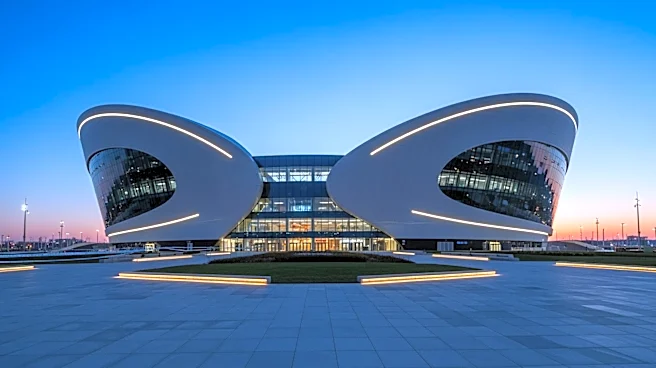









Fisht Olympic Stadium, located in Sochi, Russia, has played a significant role in hosting major international sports events. Originally built for the 2014 Winter Olympics, the stadium has since been a venue for various high-profile competitions, including the 2018 FIFA World Cup. With a capacity of over 44,000 spectators, it stands as a testament to Russia's commitment to sports and international cooperation.
The 2014 Winter Olympics
Fisht Olympic Stadium was constructed as part
of a complex for the 2014 Winter Olympics and Paralympics. Its design was inspired by the peaks of the Caucasus Mountains, reflecting the natural beauty of the region. During the Olympics, the stadium served as the site for the opening and closing ceremonies, showcasing Russia's cultural heritage and technological advancements to a global audience.
The stadium's role in the Winter Olympics marked a significant milestone in its history. It was a centerpiece of the Olympic Park in Sochi, which was developed to host the games and promote the city as a tourist destination. The successful execution of the Olympics demonstrated Russia's ability to organize large-scale international events, setting the stage for future competitions.
Hosting the 2018 FIFA World Cup
In 2018, Fisht Olympic Stadium was one of the venues for the FIFA World Cup, hosting six matches, including two knockout stage games. This event further solidified the stadium's reputation as a world-class sports venue. The matches attracted fans from around the globe, contributing to the cultural exchange and economic boost for the region.
The stadium's capacity was slightly adjusted to accommodate 44,287 spectators for the World Cup, making it the fourth-largest venue of the tournament. Its involvement in the World Cup highlighted its versatility and ability to host different types of sports events, from winter sports to football.
Legacy and Impact
The legacy of Fisht Olympic Stadium extends beyond the events it has hosted. It has become a symbol of Sochi's transformation into a hub for international sports. The infrastructure improvements and global exposure have had lasting effects on the city, attracting tourists and investors alike.
Moreover, the stadium's continued use for sports and cultural events ensures its place in the community. It serves as a reminder of the power of sports to unite people and foster international understanding. As Fisht Olympic Stadium continues to host events, it remains a vital part of Russia's sports landscape, contributing to the country's reputation as a leader in global sports.