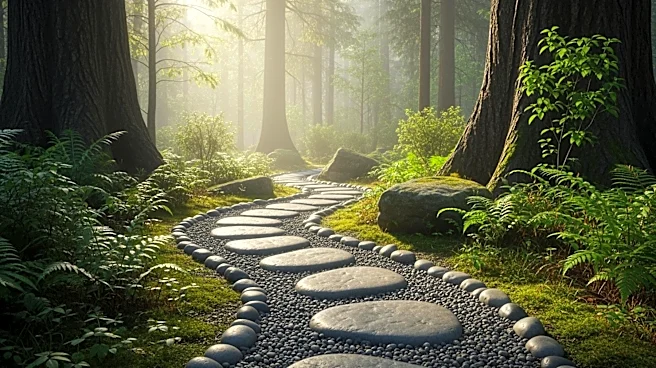

Walking meditation, a practice deeply rooted in Buddhist traditions, has transcended its religious origins to influence various cultural practices and modern applications. This form of meditation, which
combines physical movement with mindfulness, has found its way into diverse settings, reflecting its adaptability and universal appeal.
Walking Meditation in Religious and Secular Contexts
Traditionally, walking meditation is a significant component of Buddhist practice, particularly in Theravada and Mahayana traditions. In these contexts, it serves as a method to cultivate mindfulness and concentration, often performed alongside seated meditation. The practice emphasizes the importance of being present, observing sensations, and developing insight into the nature of reality.
Beyond its religious roots, walking meditation has been embraced in secular settings, where it is used for stress reduction and mental clarity. Programs that incorporate walking meditation often focus on its benefits for mental health, promoting relaxation and mindfulness in everyday life. This secular adaptation highlights the practice's versatility and its ability to resonate with individuals seeking personal growth and well-being.
Modern Applications of Walking Meditation
In recent years, walking meditation has gained popularity in various fields, including healthcare and education. Hospitals have introduced walking meditation as part of physical and psychiatric care, recognizing its potential to enhance patient well-being. Similarly, academic institutions have implemented walking meditation programs to help students manage stress and improve focus.
The practice has also found a place in correctional facilities, where it assists inmates with stress management and emotional regulation. Preliminary studies suggest that walking meditation can increase satisfaction and lower blood pressure, making it a valuable tool for promoting mental health in diverse environments.
Walking Meditation and Cultural Integration
Walking meditation's integration into different cultural practices reflects its universal appeal and adaptability. By transcending its Buddhist origins, the practice has become a valuable resource for individuals seeking mindfulness and mental clarity in various aspects of life. Its ability to foster a deeper connection to the present moment and enhance mental well-being has made it a popular choice for those looking to incorporate mindfulness into their daily routines.
Overall, walking meditation's cultural impact is evident in its widespread adoption and application across religious and secular contexts. As a practice that promotes mindfulness and mental clarity, it continues to influence modern approaches to health, education, and personal development, demonstrating its enduring relevance and transformative potential.