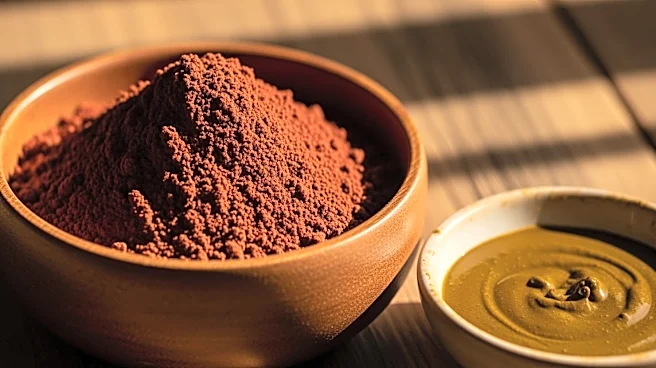






Henna has been used for centuries as a natural dye, offering a rich, reddish-brown color to hair. Originating from the dried leaves of the Lawsonia inermis plant, henna has a storied history that spans ancient civilizations and continues to be a popular choice for those seeking a natural alternative to chemical dyes.
Historical Roots of Henna
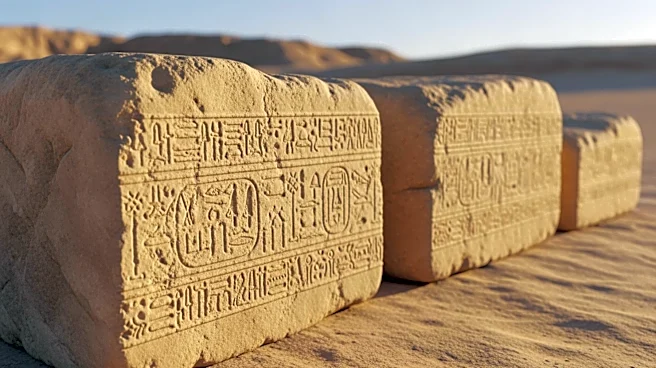
The use of henna dates back to ancient Egypt, where it was employed to dye hair, skin, and nails. Its application extended to the ancient Near
East and the Indian subcontinent, where it became a staple in beauty rituals. Henna's ability to produce vibrant colors made it a favored choice for adornment, particularly in ceremonial contexts.
Throughout history, henna has been associated with various cultural practices. In the Roman Empire, it was used not only as a dye but also as a medicine and perfume. The spread of henna across regions like North Africa and West Asia highlights its significance in beautification and cultural expression.
Henna in Modern Times
Today, henna remains a popular choice for hair dyeing, especially among those who prefer natural products. The color achieved with henna varies depending on the original hair color and the quality of the henna used, ranging from orange to auburn to burgundy. This versatility allows for customization and personalization, appealing to a wide range of preferences.
Henna can be mixed with other natural dyes to achieve different shades. For instance, combining henna with Cassia obovata can produce lighter red or blond tones, while mixing it with indigo can result in brown or black hues. This adaptability makes henna a versatile option for those looking to experiment with their hair color naturally.
Cultural Significance of Henna
Henna holds cultural importance in many regions, often used in celebrations and rituals. In South Asia, Europe, and North America, henna is applied during weddings and festivals, symbolizing joy and good fortune. The intricate designs created with henna on the skin, known as mehndi, are a testament to its artistic and cultural value.
The tradition of henna application continues to thrive, with modern innovations enhancing its use. Improved grinding and sifting techniques have increased the dye content, allowing for more intricate designs and deeper colors. As a result, henna remains a cherished practice, bridging the gap between ancient traditions and contemporary beauty trends.