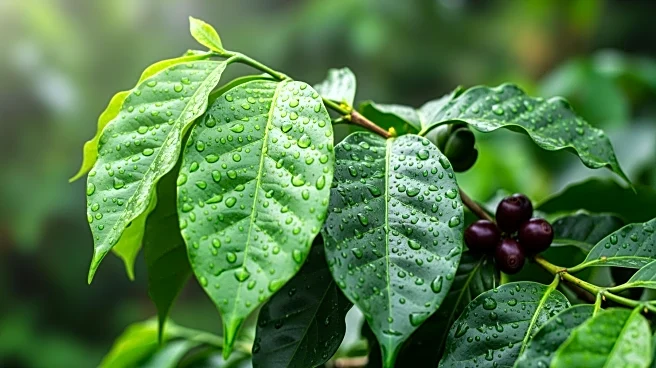

Caffeine is not only a popular stimulant for humans but also plays a significant role in the natural world. Found in various plants, caffeine serves multiple functions that benefit both the plants and
the ecosystems they inhabit. This article explores the natural occurrence of caffeine and its ecological roles.
Natural Sources of Caffeine
Caffeine is present in the seeds, fruits, nuts, or leaves of several plants native to Africa, East Asia, and South America. The most common sources for human consumption are the tea leaves of the Camellia sinensis plant and the coffee bean, the seed of the Coffea plant. These plants have evolved to produce caffeine as a means of survival and reproduction.
In addition to tea and coffee, caffeine is also found in other plants like the kola nut, yerba mate, and guarana. These plants have been used for centuries in various cultures for their stimulating properties, often consumed in beverages or traditional remedies.
Caffeine's Role in Plant Defense
Caffeine serves as a natural pesticide for plants, protecting them from herbivores and inhibiting the growth of competing plants. It can paralyze and kill insects that feed on the plant, providing a chemical defense mechanism. High caffeine levels are often found in young coffee seedlings, which lack mechanical protection and rely on chemical defenses to survive.
Moreover, caffeine in the soil surrounding coffee seedlings can prevent the germination of nearby seeds, reducing competition for resources. This allelopathic effect gives caffeine-producing plants a competitive advantage in their natural habitats.
Caffeine and Pollination
Interestingly, caffeine also plays a role in pollination. It is found in the nectar of some plants, where it can enhance the memory of pollinators like honey bees. By improving the bees' ability to remember the location of the flowers, caffeine increases the likelihood of successful pollination, benefiting the plant's reproductive success.
This dual role of caffeine as both a defense mechanism and a pollination aid highlights its importance in the plant kingdom. It demonstrates how plants have evolved complex chemical strategies to survive and thrive in their environments.
In summary, caffeine is a versatile compound that serves multiple ecological functions. Its presence in various plants not only provides a defense against herbivores and competition but also aids in pollination. These natural roles of caffeine underscore its significance beyond its use as a human stimulant.