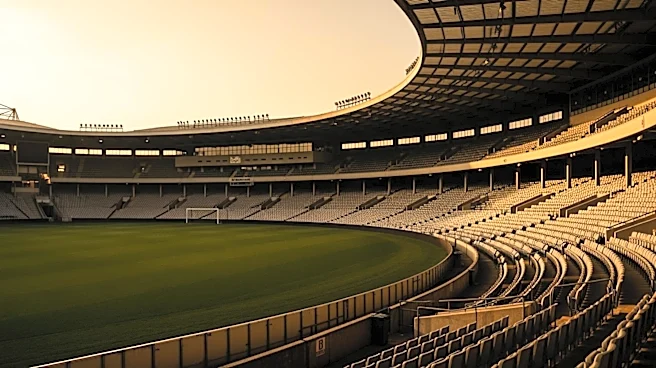

Estadio José Rico Pérez, situated in Alicante, Spain, is a multi-purpose stadium with a rich history. Built in 1974, it has served as the home ground for Hércules CF and has hosted numerous football matches,
including those during the 1982 FIFA World Cup. Named after José Rico Pérez, the former chairman of Hércules CF, the stadium stands as a testament to the region's passion for football.
Construction and Early Years
The construction of Estadio José Rico Pérez began in the early 1970s, with the stadium officially opening its doors in 1974. Located just two miles outside the city center of Alicante, it quickly became a central hub for football in the region. With a seating capacity of 24,704, it was designed to accommodate large crowds and provide an excellent viewing experience for fans.
During its early years, the stadium primarily served as the home ground for Hércules CF, a football club with a dedicated following. The stadium's modern facilities and strategic location made it an ideal venue for hosting domestic matches, contributing to the growth and popularity of football in Alicante and the surrounding areas.
Hosting the 1982 FIFA World Cup
A significant milestone in the history of Estadio José Rico Pérez was its role as a venue for the 1982 FIFA World Cup. Spain was the host country for the tournament, and the stadium was selected as one of the sites for the matches. It hosted several key games, including Argentina vs. Hungary and the third-place match between Poland and France.
The World Cup brought international attention to the stadium, showcasing its ability to host high-profile events. The matches held at Estadio José Rico Pérez attracted large crowds, with attendance figures reaching over 32,000 for some games. This period marked a high point in the stadium's history, solidifying its reputation as a premier venue for football.
Legacy and Impact
The legacy of Estadio José Rico Pérez extends beyond its role in the 1982 FIFA World Cup. As the 25th-largest stadium in Spain and the 4th-largest in the Valencian Community, it continues to be a significant site for football events. Its historical importance and contribution to the sport are recognized by fans and players alike.
The stadium's impact on the local community and its role in promoting football in the region are noteworthy. It remains a symbol of sporting excellence and a cherished venue for football enthusiasts. Estadio José Rico Pérez's history is a testament to the enduring appeal of football and the stadium's place in the cultural fabric of Alicante.