





Parc des Princes is not only a significant sports venue but also an architectural marvel that has evolved over the years. From its initial construction in 1897 to its modern-day design, the stadium has undergone several transformations that reflect advancements in architectural design and engineering. This article explores the architectural evolution of Parc des Princes, highlighting key design elements and innovations.
Early Architectural Features and Initial Design
The original Parc des Princes,
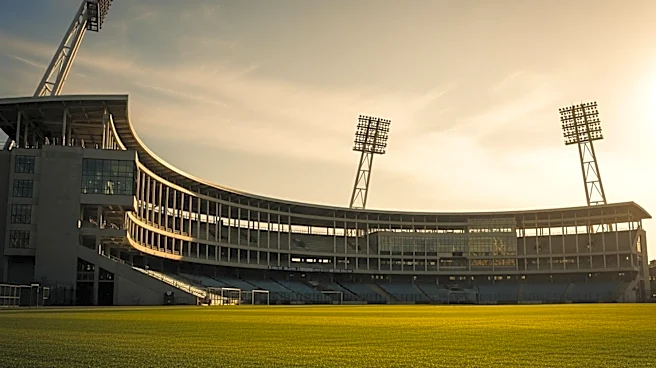
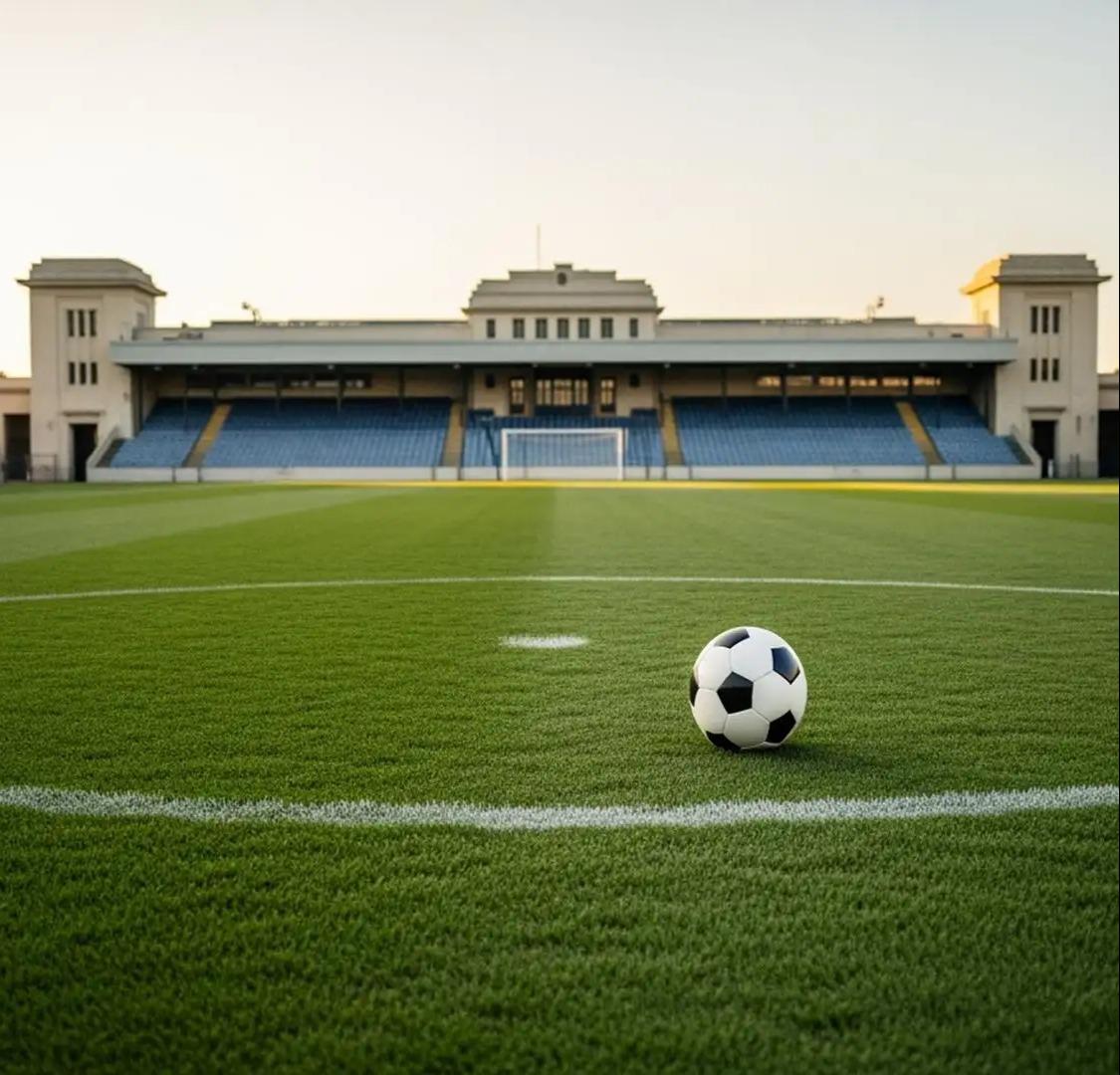
inaugurated in 1897, was designed as a velodrome with a cycling track encircling the field. The initial design was functional, accommodating 15,000 spectators with 3,200 seats. The venue's early architecture was characterized by its simplicity and focus on practicality, serving as a multi-sport facility for cycling, rugby, and football.
The stadium's early years saw it become a central hub for sports in Paris, with its design allowing for flexibility in hosting various events. The velodrome's track was a prominent feature, reflecting the popularity of cycling at the time. This initial design laid the foundation for future architectural developments at the site.
Major Renovations and Modern Design
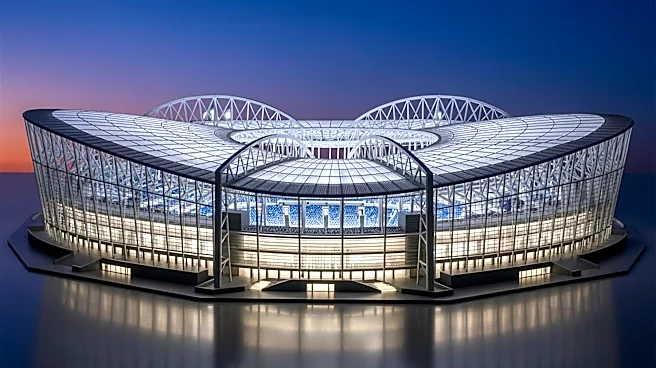
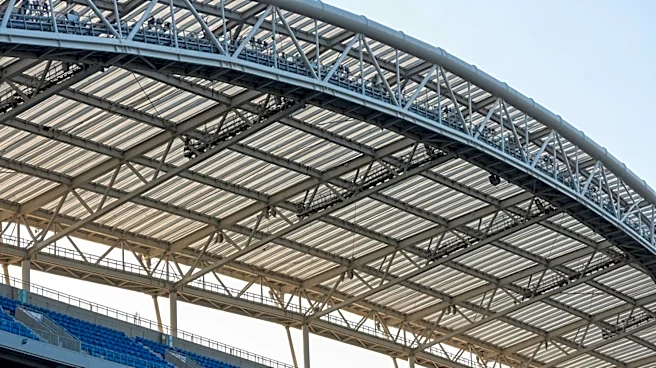
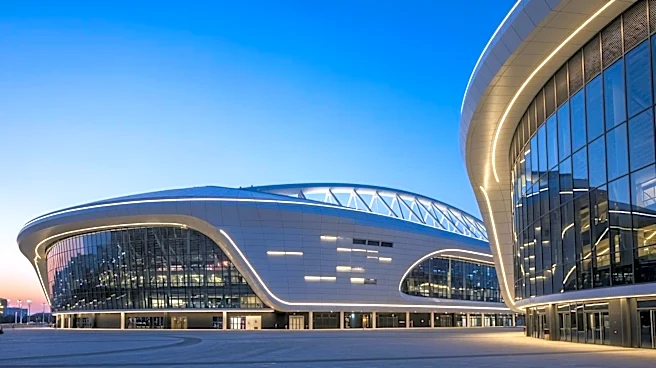
In 1972, Parc des Princes underwent a significant architectural transformation under the guidance of architect Roger Taillibert. This renovation introduced a modern, elliptical design that was ahead of its time. The new structure featured integrated lighting within the roof, making it the first stadium in Europe to incorporate such technology.
The renovation also included the construction of cantilevered porticos, giving the stadium its distinctive exterior appearance. These porticos varied in size, with thirteen different models used to encircle the venue. The modern design increased the seating capacity to 49,691, providing a more comfortable and visually appealing experience for spectators.
Recent Developments and Future Architectural Prospects
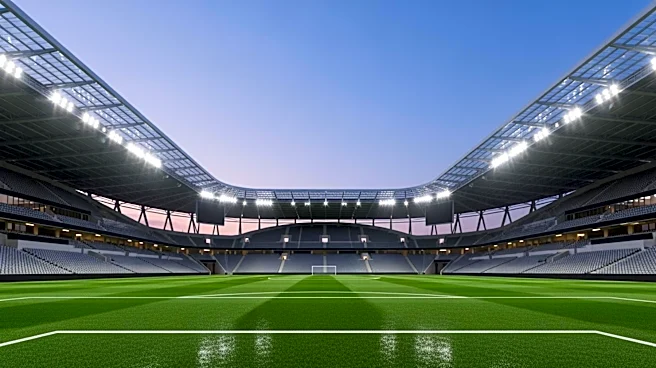
In recent years, Parc des Princes has continued to evolve architecturally. Renovations between 2012 and 2016 focused on modernizing the stadium's facilities, including the installation of new seating and the enhancement of media and hospitality areas. These updates have ensured that the stadium remains a top-tier venue for international events.
Looking ahead, discussions about further expanding the stadium's capacity and facilities are ongoing. The Paris Saint-Germain football club, which has been a tenant since 1973, is exploring options to enhance the venue further. These potential developments aim to maintain the stadium's status as a leading sports venue in France and beyond.
Parc des Princes stands as a testament to the evolution of sports architecture, reflecting the changing landscape of design and engineering over more than a century. Its continued development ensures that it remains an iconic and innovative venue for future generations.