




Blush, also known as rouge, has been a staple in cosmetic routines for centuries. Its primary purpose is to add color to the cheeks, enhancing the natural glow of the face. While blush is often associated with beauty and fashion, its significance extends beyond mere aesthetics. This article explores the historical and cultural importance of blush, tracing its evolution from ancient times to modern-day beauty practices.
Historical Origins
The use of blush dates back to
ancient civilizations, where it was employed to signify health and vitality. In ancient Egypt, both men and women used rouge made from red ochre to accentuate their cheeks. Similarly, in ancient Greece and Rome, blush was a symbol of social status and beauty, often made from crushed mulberries or beetroot.
During the Renaissance, blush became a popular cosmetic among European aristocracy. It was used to create a youthful appearance, with pale skin and rosy cheeks considered the epitome of beauty. The use of blush continued to evolve through the centuries, with various formulations and application techniques emerging in different cultures.
Cultural Significance
Blush holds cultural significance in many societies, often reflecting social norms and ideals of beauty. In the Victorian era, modesty and natural beauty were highly valued, leading to a decline in the use of bold cosmetics. However, blush remained a subtle way to enhance one's appearance without drawing undue attention.
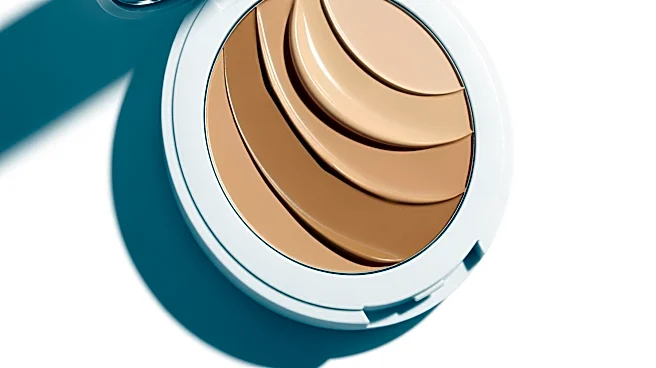
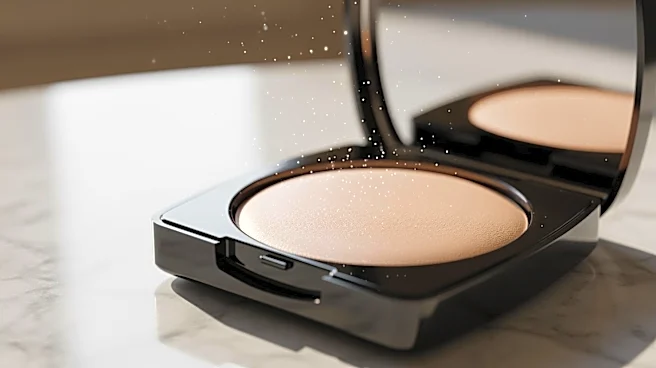
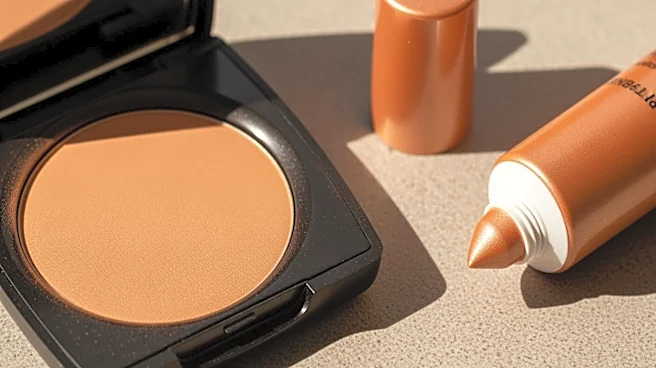
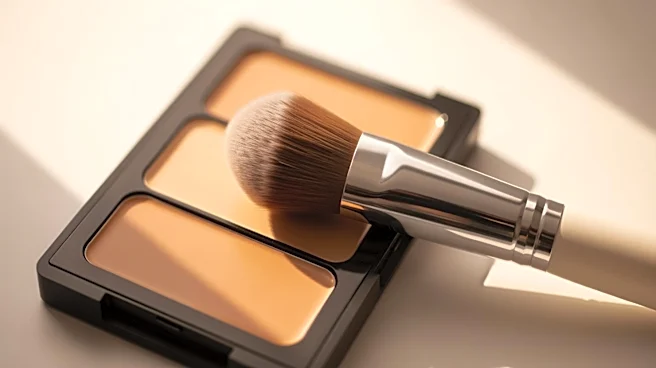
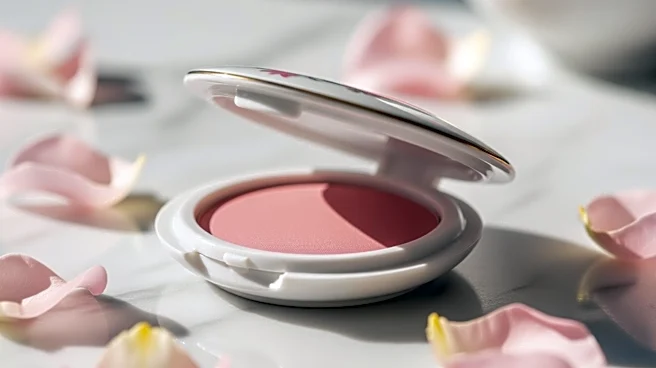
In contemporary times, blush is a versatile cosmetic used to achieve various looks, from natural to dramatic. It is available in multiple forms, including powder, cream, and liquid, catering to diverse preferences and skin types. The choice of blush color can also convey cultural meanings, with certain shades associated with specific occasions or moods.
Modern-Day Practices
Today, blush is an integral part of makeup routines worldwide, embraced by individuals of all ages and genders. It is used to contour the face, add dimension, and create a healthy glow. The cosmetic industry continues to innovate, offering a wide range of blush products that cater to different skin tones and preferences.
Despite its evolution, the fundamental purpose of blush remains unchanged: to enhance the natural beauty of the face. As a cosmetic staple, blush continues to hold a special place in beauty practices, reflecting both historical traditions and modern trends.