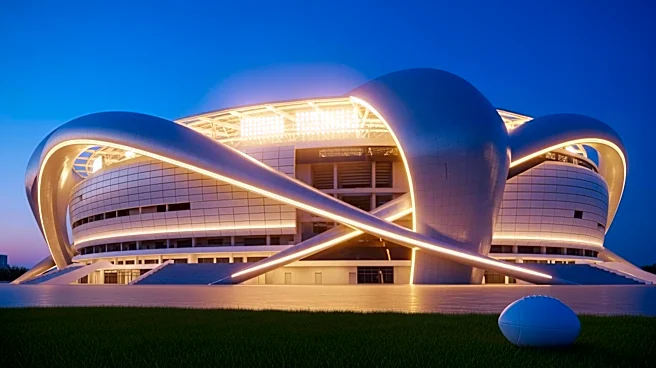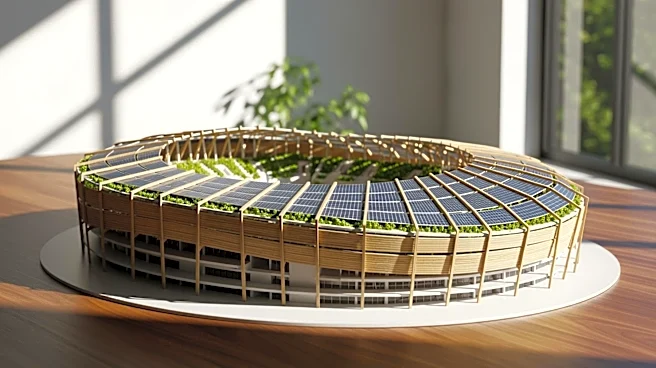









Education City Stadium in Al Rayyan, Qatar, is not only a venue for sports but also a marvel of sustainable architecture. Built for the 2022 FIFA World Cup, the stadium incorporates environmentally friendly materials and innovative design elements. This article explores the stadium's sustainable features and architectural significance.
Environmentally Friendly Construction
Education City Stadium stands out for its commitment to sustainability, earning a five-star GSAS rating. Approximately
20% of the materials used in its construction were identified as green, making it one of the most environmentally sustainable stadiums globally. This focus on eco-friendly construction reflects Qatar's broader efforts to implement labor reforms and improve conditions for workers involved in World Cup projects.
The stadium's design incorporates advanced cooling technology, ensuring comfortable conditions for spectators and players despite Qatar's hot climate. This technology is part of a larger initiative to reduce energy consumption and promote sustainable practices in sports venues. The stadium's environmental credentials set a benchmark for future projects, highlighting the potential for sustainable development in the region.
Architectural Significance
Nicknamed the "Diamond in the Desert," Education City Stadium is a striking example of modern architectural design. Its aesthetic appeal is matched by its functionality, with features that enhance the spectator experience. The stadium's design was led by Pattern Design, with engineering by Buro Happold, showcasing a collaboration of expertise in architecture and engineering.
The stadium's location within Education City, a hub of university campuses, adds to its architectural significance. It serves as a focal point for the community, providing a space for sports and events that foster engagement and development. The integration of the stadium into the educational landscape underscores its role as a multifunctional venue.
Legacy and Future Use
Post-World Cup, Education City Stadium will retain 25,000 seats for university athletic teams, transitioning from a global sporting venue to a community asset. This shift highlights the stadium's lasting legacy, providing a space for athletic development and community engagement.
The stadium's design and infrastructure will continue to serve as a model for future projects, demonstrating the potential for sustainable and multifunctional sports venues. As Qatar hosts more international events, Education City Stadium stands as a testament to the country's commitment to innovation and sustainability in sports architecture.