





Sweet potatoes are a vital crop for many subsistence farmers around the world, particularly in Africa and developing countries. Despite their importance, storing sweet potatoes poses significant challenges due to their perishable nature. This article delves into the difficulties associated with sweet potato storage and the methods used to extend their shelf life.
The Perishable Nature of Sweet Potatoes
Sweet potatoes are highly perishable, which makes them difficult to store for extended
periods. This is primarily due to their high moisture content and thin, permeable skin. After harvesting, sweet potatoes continue to respire, which can lead to spoilage if not properly managed. The delicate skin of the tubers is easily damaged during harvesting and handling, increasing the risk of spoilage from physical, physiological, and pathological factors.
Physical damage, such as bruising and skinning, often occurs during the harvesting and transportation processes. This damage can be minimized by careful handling and using rigid containers instead of cloth sacks. Physiological processes, like natural transpiration, cause water loss and can result in an unappealing texture. Additionally, the buildup of carbon dioxide around the tubers can accelerate spoilage.
Methods to Extend Storage Life
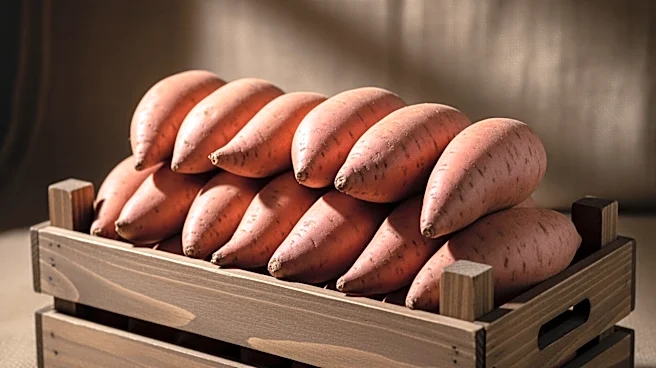
To combat spoilage, several storage methods have been developed. These include pit, clamp, and indoor storage, each with varying degrees of effectiveness. Pit storage involves placing sweet potatoes in a pit lined with grass and soil to insulate the tubers from temperature changes. Clamp storage involves stacking tubers in a heap and covering them with grass and soil. Indoor storage typically involves keeping sweet potatoes in baskets or boxes within a building.
Proper ventilation is crucial in all these methods to prevent the buildup of carbon dioxide, which can lead to spoilage. Maintaining the right temperature and humidity levels is also essential. The ideal storage conditions for sweet potatoes are between 54°F and 61°F with a relative humidity of 85-90%. Under these conditions, sweet potatoes can last from five months to a year.
Pretreatment and Pest Control
Pretreatment methods, such as curing and drying, can help extend the storage life of sweet potatoes. Curing toughens the skin and heals minor damage, while drying reduces spoilage by removing moisture. Pest control is another critical aspect of sweet potato storage. The sweet potato weevil is a significant pest that can cause up to 50% loss in yields. Simple techniques, such as storing tubers at temperatures below 68°F or dipping them in hot water, can effectively control infestations.
In conclusion, while storing sweet potatoes presents numerous challenges, employing proper methods and conditions can significantly extend their shelf life. These practices are crucial for subsistence farmers who rely on sweet potatoes as a staple food source.