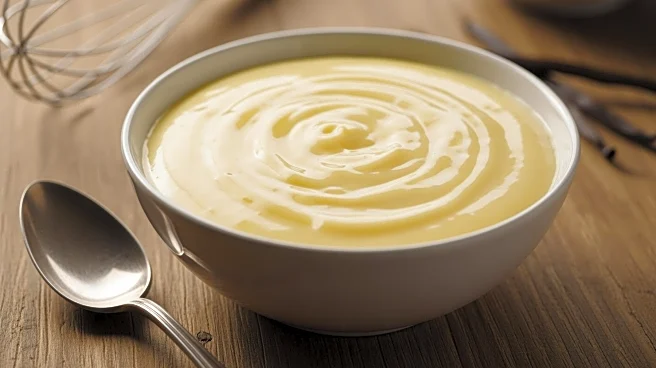




Custard is a culinary marvel, known for its creamy texture and adaptability in both sweet and savory dishes. This article explores the diverse uses of custard in the culinary world, highlighting its role as a key ingredient in various recipes. From classic desserts to innovative savory dishes, custard's versatility makes it a staple in kitchens around the globe.
Sweet Delights
Custard is perhaps best known for its role in sweet desserts. Its creamy consistency and
rich flavor make it an ideal base for a variety of treats. Classic custard desserts include crème anglaise, a thin pouring sauce often used to accompany cakes and pastries. Pastry cream, or crème pâtissière, is another popular variation, used to fill éclairs and tarts.
The adaptability of custard allows it to be flavored with ingredients like vanilla, chocolate, or lemon, catering to different palates. In addition to traditional recipes, custard has inspired modern creations such as custard-filled doughnuts and custard-based ice creams. These innovations showcase custard's ability to evolve with changing culinary trends while maintaining its classic appeal.
Savory Applications
While custard is often associated with sweet dishes, it also plays a significant role in savory cooking. Quiches, for example, are savory custard tarts that combine eggs, cream, and various fillings such as cheese, vegetables, or meats. The custard base provides a creamy texture that complements the other ingredients, creating a harmonious dish.
Custard's versatility extends to other savory applications, such as timbales and vegetable loaves. These dishes use a custard base mixed with chopped savory ingredients, resulting in a flavorful and satisfying meal. The ability to adapt custard for savory purposes demonstrates its wide-ranging culinary potential.
Innovative Techniques
The preparation of custard has evolved over time, with new techniques enhancing its versatility. Traditional methods involve cooking custard in a double boiler or bain-marie to prevent curdling. However, modern techniques like sous-vide cooking allow for precise temperature control, ensuring a perfectly smooth custard every time.
The addition of starches like cornflour or gelatin has further expanded custard's culinary applications. These ingredients stabilize the custard, allowing it to be used in a variety of dishes without compromising its texture. Whether used in classic recipes or modern innovations, custard remains a versatile and beloved ingredient in the culinary world.