

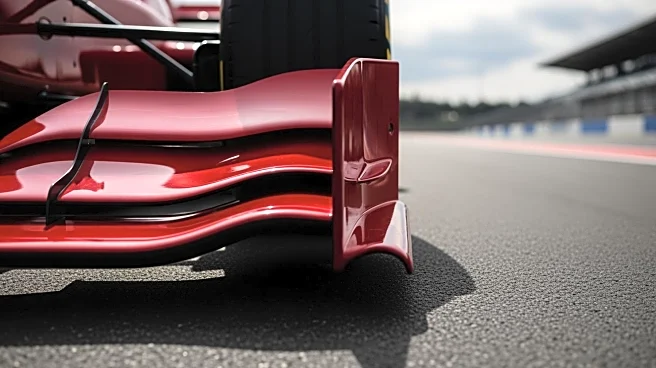
Homologation is a crucial process in the world of motorsports, ensuring that vehicles, circuits, and equipment meet specific technical standards. This process, often referred to as type approval, is essential for maintaining fairness and safety in racing competitions. The term homologation is derived from the Greek word 'homologeo,' meaning 'to agree,' and it signifies the approval granted by an official authority. In motorsports, this approval is necessary
for vehicles to compete in various racing series.
The Homologation Process
In motorsports, homologation involves a rigorous testing and certification process to ensure that vehicles conform to the technical standards set by the governing bodies. At the international level, organizations like the Fédération Internationale de l'Automobile (FIA) and the Fédération Internationale de Motocyclisme (FIM) mandate what must be homologated. These organizations provide a framework of rules and standards that national sporting authorities must follow. However, national authorities can also impose additional homologation rules specific to their jurisdiction.
The process of homologation is not limited to vehicles alone. It also includes circuits and related equipment, ensuring that every aspect of a race meets the required safety and performance standards. This comprehensive approach helps maintain the integrity of motorsports, allowing for fair competition and minimizing risks to participants and spectators.
Production-Based Racing and Homologation
In production-based racing series, homologation plays a vital role in ensuring that the vehicles used are based on production models available to the public. This requirement prevents manufacturers from designing vehicles solely for racing purposes, which could give them an unfair advantage. To meet homologation guidelines, manufacturers often produce a limited run of vehicles, known as "homologation specials," that are slightly adapted for racing.
These vehicles must comply with the technical guidelines of the racing series, which may include specifications for engine displacement, chassis construction, and suspension design. Additionally, there are often minimum sales requirements to ensure that the vehicles are genuinely available to the public. This approach helps maintain a level playing field in production-based racing, where the focus is on the skill of the drivers and the performance of the vehicles.
The Impact of Homologation on Motorsports
Homologation has a significant impact on the motorsports industry, influencing the design and production of vehicles. Manufacturers must balance the need to meet homologation requirements with the desire to create high-performance vehicles. This often leads to the development of specialized components and modifications that enhance performance while remaining within the rules.
The process also affects the aftermarket industry, as there is a demand for parts that can convert production vehicles to race trim. This includes lightweight bodywork and high-performance engine components that are not intended for use on public roads. Homologation ensures that these modifications are consistent with the standards of the racing series, maintaining the integrity of the sport.
Overall, homologation is a fundamental aspect of motorsports, ensuring that competitions are fair, safe, and exciting for participants and fans alike. By adhering to strict standards, the process helps preserve the spirit of racing while allowing for innovation and technological advancement.